

If you're brewing your first batch, one of the biggest questions you'll probably ask is: How do I know when my beer is done fermenting?
It's completely normal to second-guess yourself. You want to make sure your wort is transforming into great-tasting beer, and that you're not bottling too early (or waiting longer than necessary).
In this guide, we'll break down:
- How to tell if your beer is fermenting
- The stages of beer fermentation
- How long fermentation really takes
- How to confirm fermentation is complete
- What happens after fermentation (conditioning)
Whether you're brewing your first batch or your tenth, here's everything you need to know.
How to Tell If Your Beer Is Fermenting
If you've never brewed before, you might not know what to look for. The good news? There are two easy visual signs that fermentation is happening.
1. Krausen (Foam on Top)
Within the first 72 hours, you should see the most visible action in your fermenter.
Look for:
- Bubbles rising
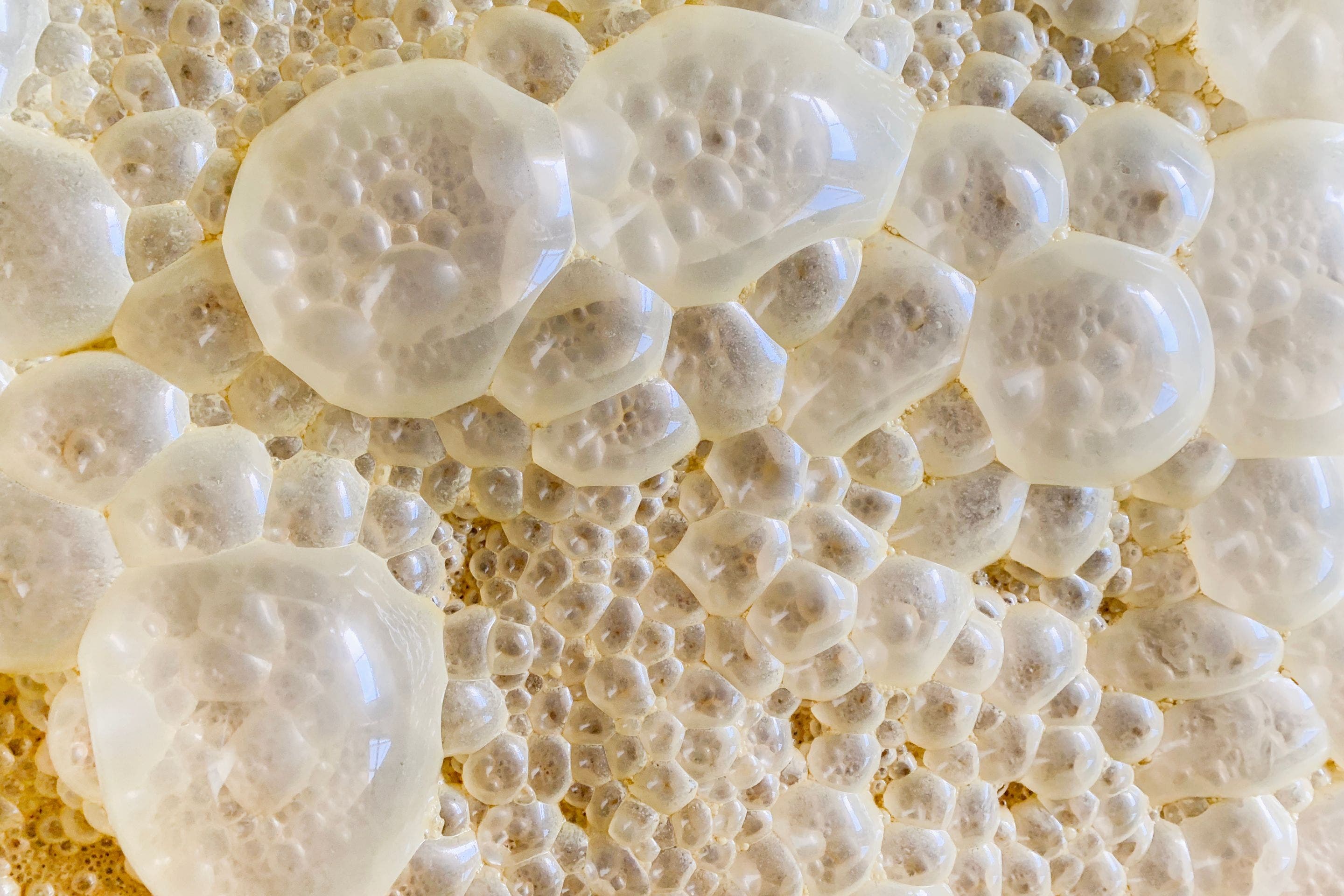
- Foam forming on top of the beer
That foamy layer is called krausen. It forms during active fermentation as yeast consumes sugars and produces carbon dioxide.
This is the most noticeable sign that your beer is fermenting properly.
Once the primary stage of fermentation is complete, the krausen will begin to fall. Don't panic when it disappears; that's normal.
2. Trub (Sediment at the Bottom)
After the most active phase slows down, check the bottom of your fermenter.
You'll likely see sediment building up. This is called trub.
Trub is made up of:
- Yeast
- Proteins
- Hop particles
- Other fermentation byproducts
Seeing trub is a good sign; it means fermentation occurred, and yeast has done its job.
The Stages of Beer Fermentation
To really understand when beer is done fermenting, it helps to know what's happening behind the scenes.
The Lag Phase
Right after pitching yeast, you may not see much activity. This is called the lag phase.
Even though it looks quiet, the yeast is:
- Absorbing oxygen
- Producing sterols
- Preparing to reproduce
No bubbles during this phase? That's normal.
The Active Phase (First 72 Hours)
This is when fermentation kicks into high gear.
During the active phase:
- Yeast rapidly multiplies
- Sugars are consumed
- CO₂ is produced
- Krausen forms
For most beers, including standard refills from Mr. Beer, the majority of primary fermentation happens in these first 72 hours.
The Stationary Phase
After intense activity, fermentation slows down visually, but yeast is still working.
During this phase:
- Yeast growth slows
- Krausen falls
- Yeast begins to settle out (flocculate)
- Off-flavors are cleaned up
The beer's flavors aren't fully balanced. Fermentation might look done, but don't rush to bottling just yet.
The Most Reliable Way to Tell If Beer Is Done Fermenting
Visual signs are helpful, but the most accurate way to know when your beer is done fermenting is to use a hydrometer.
If you take a gravity reading and it is:
- Lower than your starting gravity → fermentation has occurred
- The same reading 2-3 consecutive days → fermentation is complete
If you're unsure how to use one, check out our full guide on how to use a hydrometer for homebrewing.
How Long Does Beer Take to Ferment?
A common question we hear is:
Can beer really be done fermenting in 10-14 days?
Yes, it absolutely can.
For standard refills from Mr. Beer, we recommend a 10-14-day fermentation window.
Through extensive internal testing and close collaboration with Coopers Brewery, our instructions are built for reliability and consistent results.
Why Mr. Beer Ferments Quickly
One key reason is the proprietary Coopers yeast strain used in our refills.
This yeast:
- Is a descendant of distillers' yeast
- Ferments quickly and robustly
- Performs well at slightly warmer temperatures
What Happens If You Bottle Too Early?
Bottling before fermentation is finished can lead to:
- Excessive CO₂ buildup
- Overcarbonated beer
- "Bottle bombs" (exploding bottles)
After Fermentation: Conditioning
Once fermentation is complete, it's time for the final stage: conditioning.
Conditioning is how your beer becomes carbonated, and it dramatically affects the final outcome.
Without conditioning, beer is flat.
What Is Bottle Conditioning?
Bottle conditioning is a form of secondary fermentation that happens inside the bottle.
Here's how it works:
- After primary fermentation, beer is bottled.
- A small amount of priming sugar is added.
- Remaining yeast consumes the sugar.
- CO₂ is produced and trapped in the sealed bottle.
- Natural carbonation develops.
Because yeast is still active and producing CO₂ and alcohol, this is technically a secondary fermentation.
Benefits of Bottle Conditioning
- Creates natural carbonation
- Produces smaller, denser bubbles
- Improves mouthfeel
- Removes oxygen
- Increases shelf stability
- Enhances flavor development over time
Carbonation doesn't just add fizz, it influences aroma, texture, and even perceived sweetness.
Final Checklist: Is Mr. Beer Done Fermenting?
Before bottling, make sure:
- Krausen has fallen
- Trub has settled at the bottom
- At least 10-14 days have passed
- Hydrometer readings are stable for 2-3 days
If all boxes are checked, you're ready to bottle and begin conditioning.
The Bottom Line
If you're wondering how to tell when your beer is done fermenting, remember this:
- Most visible activity happens in the first 72 hours
- Lack of bubbles doesn't mean fermentation stopped
- Stable gravity readings are the true confirmation
- Standard Mr. Beer refills can be done in as little as 10 days
Fermentation may look dramatic at first, then completely quiet. Trust the process, trust your yeast, and when in doubt, trust your hydrometer.


