

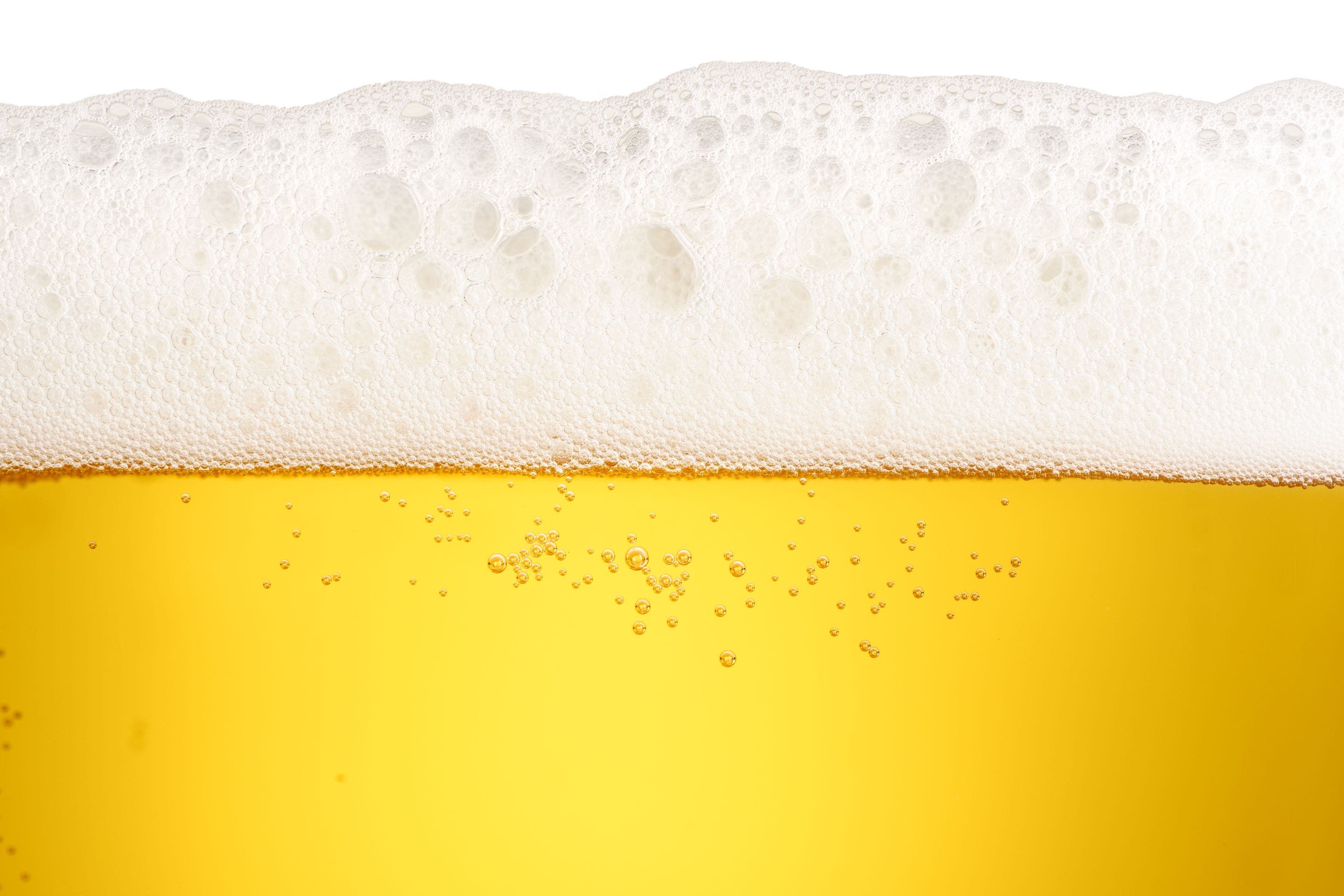
There's nothing quite like a creamy head on a homebrewed stout or the satisfying lacing left on a glass after a beer is gone. But beer foam isn't just aesthetics—the bubbles in your beer impact carbonation, aroma, flavor, and body. For homebrewers, understanding how to create a good head on your beer is essential for both presentation and taste.
What is Beer Foam?
In simple terms, foam is a separation of gas in a liquid. It doesn't form spontaneously; it requires energy, such as shaking or stirring the beer. This allows bubbles to form and rise, sometimes called "beading."
Beer foam is a complex and fascinating phenomenon, but don't worry, it can be mastered with a few key homebrewing tips.
How Hops Help with Foam
For hop lovers, here's good news: hops help with foam stability. The bitter compounds in hops, called isohumulones, create a framework that helps hold bubbles together. When you first pour a beer, the foam may seem wet and sloppy, but after a few minutes, it becomes solid and sticks to the glass, forming the lacing.
Pro tip: The longer you wait before taking your first sip, the better the head and lacing on your glass. Highly hopped beers typically have better head retention, but be mindful of balancing hops with malt bitterness.
How Malt Selection Affects Beer Foam
Your choice of malt plays a big role in head retention:
- High-protein malts like crystal malts and dark malts improve foam stability.
- Wheat malts and flaked barley can also boost head retention.
- Avoid low-protein adjuncts such as corn, rice, and sugar, as they tend to reduce foam quality.
Other Factors That Affect Beer Foam
- Alcohol content: Beers with higher alcohol levels tend to have less foam, as alcohol can break down bubbles.
- Glass cleanliness: Residual oils on glassware can ruin the head. Avoid the dishwasher; the tablets are foam killers. Instead, wash glasses by hand with lukewarm water and a little soda, rinse thoroughly, and dry with a lint-free cloth.
- Glass cleanliness: The shape of your glass impacts head formation. Tall, narrow glasses minimize CO2 loss and maintain foam, while wide-mouthed glasses expose more surface area and let carbonation escape. For example, Bavarian wheat beers and Pilsners are often served in tall, narrow glasses to maintain the head.
Pouring Techniques for the Perfect Head
Getting the right head on your beer starts with how you pour it:
1. Tilt your glass at 45 degrees.
2. Pour gently, aiming for the middle of the slope.
3. Straighten the glass halfway through, pouring into the center.
This method ensures a balanced foam—not too much, not too little—and helps preserve carbonation and aroma.
Creating a great head on your homebrewed beer is about more than looks. Foam influences flavor, aroma, and overall drinking experience. By choosing the right malts and glassware, cleaning your glasses properly, balancing hops and malt, and using proper pouring techniques, you can achieve a beautiful, creamy head every time.
So, the next time you pour your homebrew, take a moment to admire that frothy masterpiece—it's the mark of a well-crafted beer.


