

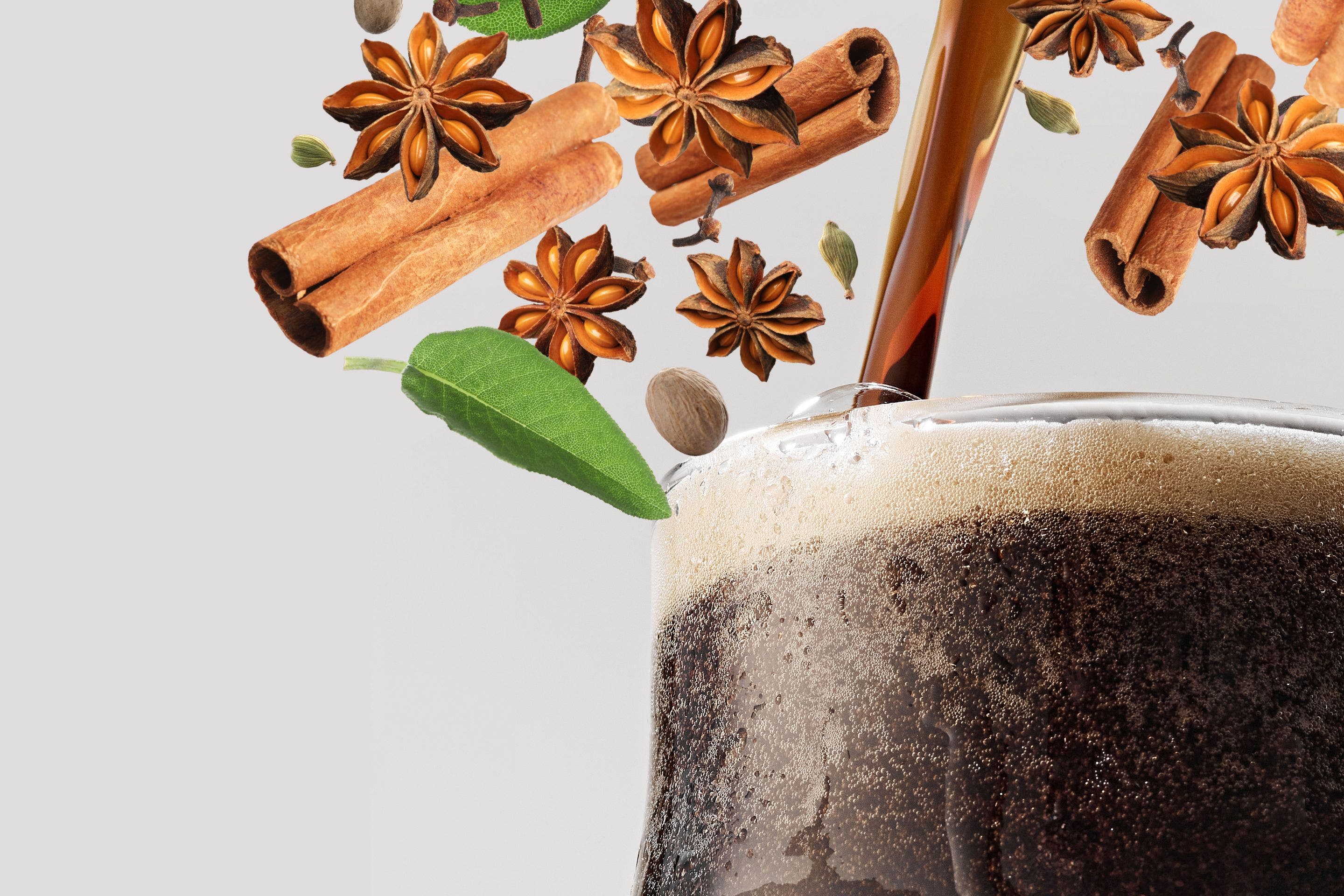
As summer winds down and the evenings turn cooler, it's the perfect time to start brewing with seasonal spices. Fall and the holiday season bring a rich palette of flavors, cinnamon, clove, ginger, nutmeg, vanilla, and maple, that can transform your homebrew into something cozy, festive, and unforgettable.
Whether you're brewing a warming winter ale or adding subtle holiday notes to your favorite recipe, learning when and how to add spices is the key to balance and great flavor.
Choosing the Right Beer Base
Holiday spices are bold and can quickly take over a beer. That's why it's best to start with a strong, malty style that can stand up to them. Dark beers like porters, stouts, and brown ales provide the roasty backbone needed to support cinnamon, clove, ginger, and nutmeg. Think about the foods and desserts you enjoy this time of year: spiced cookies, mulled cider, and gingerbread. These are great sources of inspiration for brewing.
Spice Pairings for Holiday Homebrew
Here are some classic fall and holiday spices to try in your next batch, along with the flavors they bring:
-
Cinnamon: Sweet, woody, and warming. Pairs beautifully with malty, barrel-aged styles and winter ales.
-
Ginger: Sharp, zesty, and spicy. Adds a lively kick and is a favorite in holiday brews.
-
Nutmeg: Warm, earthy, and slightly sweet. Ideal for adding depth and roundness to darker beers.
-
Cloves: Sweet, warm, and aromatic. A classic in pumpkin ales, stouts, and other holiday beers.
-
Allspice: A "blend in a single spice," offering cinnamon, nutmeg, and clove notes. Perfect for fall-inspired beers.
These spices can be used solo or combined. Start with just one or two, then build your spice profile with each batch.
Ways to Add Spices to Homebrew
There are several methods for incorporating spices into your beer, each with different results:
1. Direct Additions
Add spices directly into the fermenter, keg, or even during the boil. Use a fine-mesh bag (like you would for hops) to make removal easier. Taste as you go, spices can extract flavor quickly, so monitor daily until you're happy with the result.
2. Tincures
A tincture gives you precision and control. Soak spices in a neutral spirit like vodka for 30-60 minutes, strain, and add the extract to your beer. This way, you can adjust intensity drop by drop without risking an overpowering brew.
3. Hot vs. Cold Steeping
Like hops, temperature affects spice extraction:
- Hot steeping is efficient but may mute delicate aromatics.
- Cold steeping (room temp, not refrigerated) draws out smooth, bold flavor without bitterness.
4. Secondary Fermentation or Bottling
Delicate herbs and flowers (like chamomile) are best added during secondary fermentation, so their aromas aren't lost to heat. If you forget to spice earlier, you can still make a concentrated spice tea and add it at bottling time with your priming sugar.
Tips for Perfectly Spiced Beer
-
Start small—spices are potent, and it's easier to add more than to take them away.
-
Taste often when steeping or fermenting with spices.
-
Remember fresh vs. dried: fresh herbs give brighter flavors but need larger amounts.
-
Hard spices (like cinnamon sticks or peppercorns) need more time to extract, while delicate herbs should be added later.
Mr. Beer's Best Spiced Recipes
Looking for inspiration? Here are some of our favorite Mr. Beer recipes that showcase how different spices can transform your brew:
Pumpkin Rising Spiced Amber Ale
Pumpkin pie in beer form. A blend of cinnamon, nutmeg, ginger, and clove creates that familiar holiday spice mix, perfectly balanced by the caramel sweetness of amber malt. Baking the pumpkin enhances its depth of flavor, allowing the spices to shine through.
→ Try It
Yule Like This Ale
A winter warmer built around bold spice. Allspice, clove, cinnamon, and sweet orange peel layer together to create a complex mix of warmth, citrus brightness, and holiday character. The spices cut through the malty sweetness, adding a festive aroma.
→ Try It
Winnie's Salem Spiced Ale
This chai-inspired brew leans into bold, aromatic spices like cinnamon, cardamom, ginger, and clove. The result is smooth and slightly sweet with a spiced backbone that feels both cozy and a little magical.
→ Try It
Apfelgewürz Spiced Apple Belgian Ale
This Belgian-style ale layers warming holiday spices with crisp apple cider. Cinnamon and clove bring sweetness and warmth, while the yeast character adds complexity—making this a true "fall in a glass" experience.
→ Try It
Brew a Beer That Tastes Like the Season
Fall and the holidays are all about flavor, warmth, and sharing. With the right malt base, balanced spice additions, and careful timing, you can create a seasonal homebrew that pairs perfectly with cool nights, hearty meals, and festive gatherings.
So grab your favorite Mr. Beer kit, refill, or recipe, a few seasonal spices from the pantry, and start experimenting. Your next brew might just be the one that becomes a holiday tradition.


