

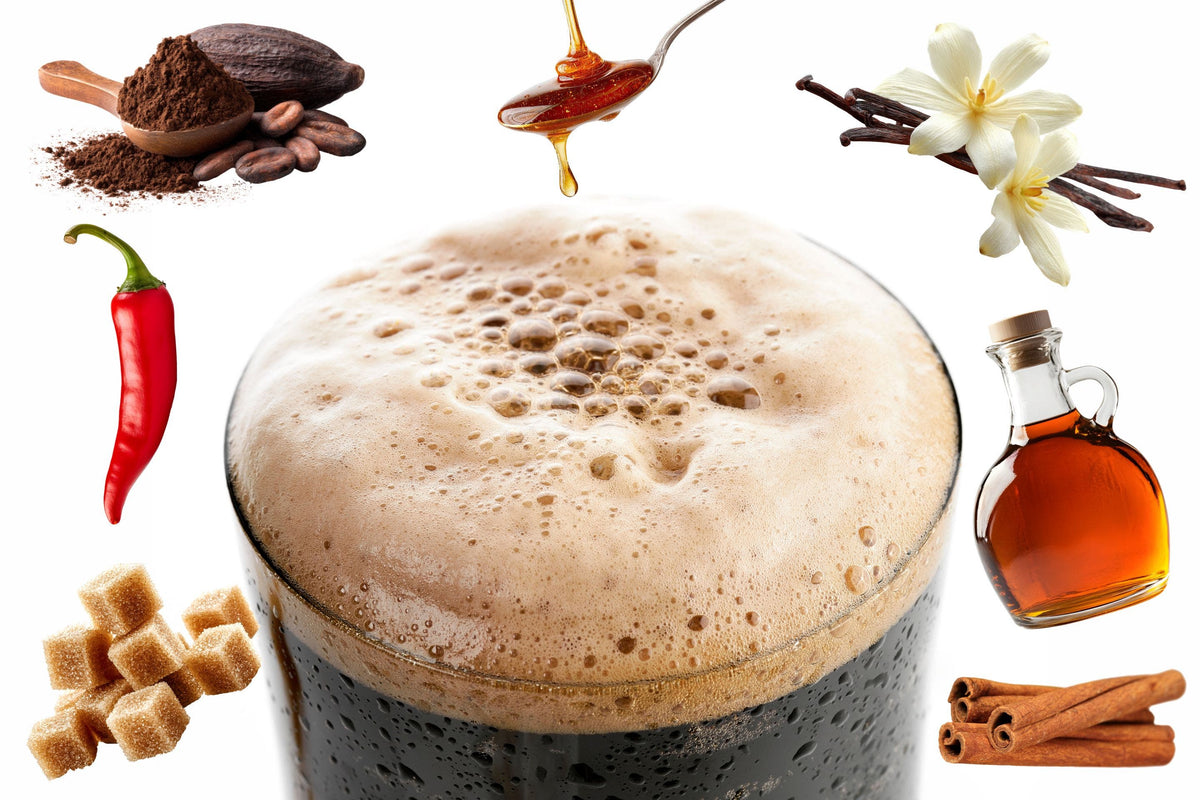
Why Winter Is Prime Time for Flavor Additions
Winter beer styles are built for boldness. You’ve already got dark roasted malts, higher ABVs, and full-bodied mouthfeel — the perfect canvas for adding rich, warming flavors. These styles want a little extra. They soak it up. Spices, sweetness, creaminess, even a little heat — this is where your creativity can shine.
And with the right technique, you can elevate a standard refill into a beer your friends will talk about until spring.
Why (and How) to Boost Your ABV in Winter Beers
One of the signatures of a great winter warmer is a little extra heat in the finish — and we’re not just talking chili peppers. A higher ABV (alcohol by volume) adds actual physical warmth as it’s sipped, giving that cozy, mellow feel you want on a cold night. The trick is knowing how to increase your alcohol content without throwing the beer out of balance.
Why Increase ABV?
- Flavor depth: Alcohol carries flavor, especially in dark beers loaded with roast, caramel, and spice.
- Aging potential: Higher ABV beers tend to age better, smoothing out over time.
- Seasonal tradition: Many classic winter styles — like English winter warmers and Belgian dark ales — hover in the 7–10% range.
How to Do It
1. Add More Fermentable Sugars
The easiest way to bump ABV is to feed your yeast more to chew on. Try:
- Brown sugar – Adds smooth sweetness
- Molasses – Deep, earthy notes
- Honey or maple syrup – Dry but flavorful
- Corn sugar – Neutral and clean
Add 4 oz of sugar per gallon for roughly a 0.5–1% ABV increase.
2. Use a Higher Gravity Refill or Combine Kits
Start with something that already has a decent OG (original gravity), like a stout or porter, or blend two refills to increase both gravity and complexity. Adding an LME (liquid malt extract) booster also works.
3. Choose the Right Yeast — or More of It
Make sure your yeast strain can handle the extra sugar. Most yeast varieties have an alcohol tolerance between 8–12%, and Mr. Beer’s standard Coopers gold packet is more robust than it might seem. It can handle higher-gravity brews — just be sure to pitch enough. For anything over 1.060 OG, we recommend using two packets of the gold yeast. If you're using one of the larger dry yeast packs we offer (like US-05, S-33, or Nottingham), one packet is typically enough.
Browse all Mr. Beer yeast options
Always check your yeast’s ABV tolerance and fermentation needs before pitching. A little prep goes a long way.
Top Flavor Additions for Winter Homebrews
Here’s your cheat sheet of winter add-ins that play well with porters, stouts, and spiced ales — plus tips for using them without wrecking your batch.
Cocoa Nibs & Chocolate Syrup
Chocolate is a natural fit for stouts and porters. Use roasted cacao nibs for a dry, bitter cocoa finish, or add chocolate syrup post-boil for smoother sweetness. Just avoid syrups with preservatives — pure, natural is key.
Pro Tip: Add nibs during secondary for a subtle, complex aroma. Steep them in vodka first to sanitize.
Lactose (Milk Sugar)
Lactose doesn’t ferment, so it leaves behind sweetness and body. It’s the magic behind milk stouts and a great way to add creamy richness to darker beers.
Use about 4 oz per gallon. Add at the end of the boil to avoid scorching.
Chili Peppers
Looking for something to warm you up — literally? Dried chili peppers or even fresh jalapeños (roasted and sanitized) add a slow, smooth burn that pairs beautifully with chocolate and roasted malt.
Go easy: One dried ancho or guajillo per gallon is plenty. Add during secondary for controlled heat.
Winter Spices (Cinnamon, Clove, Nutmeg)
A little spice goes a long way. These classic holiday flavors add cozy, familiar notes to any malty base, especially in spiced ales or brown porters.
Stick to ¼ tsp per gallon total, and add to the boil or steep in vodka and dose at bottling.
Sugars: Molasses, Brown Sugar, Maple Syrup
Looking to bump the ABV and the flavor? These sugars add rich, dark sweetness and complexity. Molasses leans earthy, brown sugar is smooth, and real maple syrup gives a woody, mellow finish.
Add during the boil — just be sure your yeast can handle the boost.
Vanilla Bean or Extract
Vanilla smooths everything out and ties flavors together. It's especially good with chocolate, spice, or even chili additions.
Use half a bean per gallon, soaked in vodka, or ½ tsp of pure extract at bottling.
Tips for Flavor Additions That Don’t Suck
- Sanitize everything. If it touches your beer post-boil, soak it in vodka or make a tincture.
- Less is more. Start light — you can’t take it out, but you can always add more.
- Time it right. Some flavors (like spice) fade over time, while others (like heat or roast) intensify. Taste as you go.
- Give it time to condition. Let winter beers sit a few weeks longer than usual — big flavors need mellowing.
- Keep yeast health in mind when boosting ABV or adding late-stage sugars — stressed yeast = stressed beer.
Mr. Beer Recipes Perfect for Flavor Boosting
These refills are already delicious, but they’re also great bases for experimentation:
- Oktoberfest Lager – Try adding brown sugar and a touch of cinnamon for a rich, malty winter twist
- Bewitched Amber Ale – Add brown sugar and vanilla for a dessert-like spin
- St. Patrick’s Irish Stout – Go big with cocoa nibs, chili, and a touch of lactose
- Porter Refill – Spice it up with cinnamon and clove for a fireside favorite
Browse All Winter Beer Kits & Refills →
(*Get 10% off winter refills this week only!*)
Final Sip
Winter is the season to brew bold. If you’ve never experimented with flavor additions or ABV boosting before, now’s the time to get cozy with your creativity. Don’t overthink it — taste, tweak, and have fun. Whether you’re layering chocolate and chili or building a 9% sipper that ages like a fine wine, winter beer gives you room to play.
Happy brewing — and don’t forget to grab your winter refills while they’re 10% off!


