

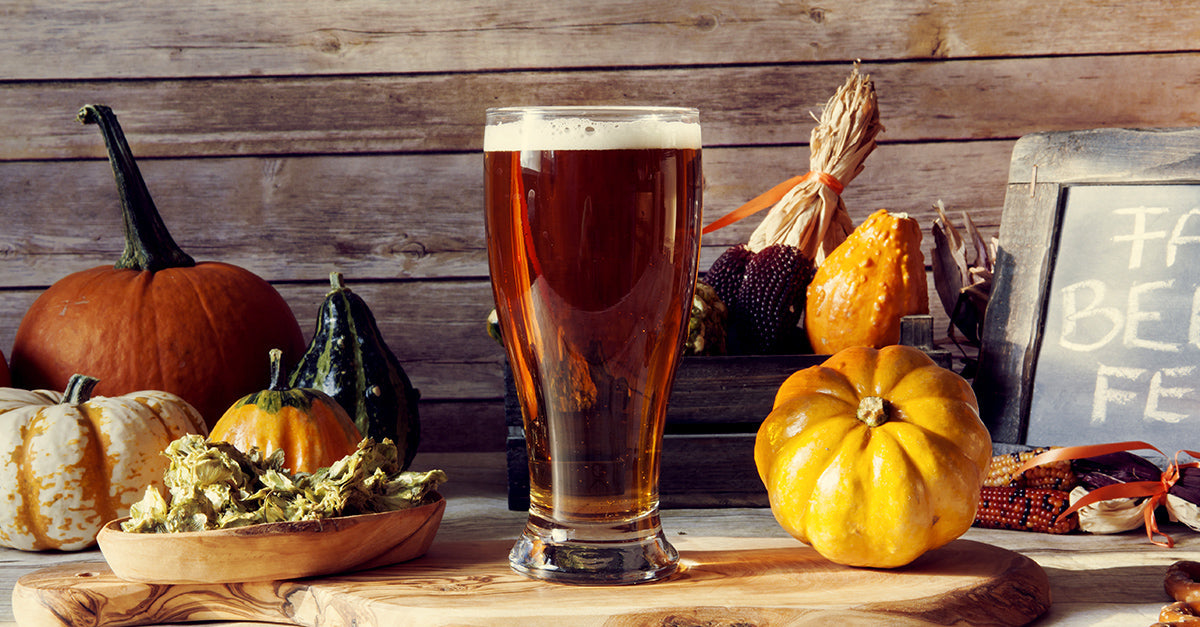
The Perfect Beers for Thanksgiving
From turkey and stuffing to pumpkin pie: how beer elevates Thanksgiving dinner, the American holiday beers worth seeking out, and beer's surprising place in Thanksgiving history.
Thanksgiving might be the best eating day of the year. Turkey, stuffing, mashed potatoes, gravy, cranberry sauce, sweet potatoes, roasted vegetables, rolls and, somehow, enough room left for pie.
Wine has long enjoyed the spotlight at the holiday table. But look closely at the range of flavors on a Thanksgiving plate and beer starts to make an incredible amount of sense.
Beer can be crisp, malty, fruity, spicy, bitter, roasted, nutty, caramel-like, chocolate-like and everything in between. Carbonation can cut through rich food. Toasted malt can echo browned turkey skin and stuffing. Hop bitterness can balance fried foods. Dark roasted malt can turn pumpkin pie into something completely different.
Thanksgiving doesn't need one perfect beer. It can use several.
Build the Ultimate Thanksgiving Beer Flight
Keep the pours around 3 to 4 ounces and move from bright and crisp toward darker, richer beer as dinner progresses.
German Pilsner
Appetizers, mashed potatoes and lighter sides
Saison or Witbier
Herb-roasted turkey, cranberry and sweet potatoes
Märzen / Oktoberfest
Stuffing, turkey and roasted vegetables
English Brown Ale
Turkey, gravy and savory sides
Porter
Pumpkin pie, pecan pie and chocolate desserts
Why Beer Works So Well With Thanksgiving
Great pairings happen when something in the glass either complements what is on the plate or deliberately contrasts with it.
Carbonation vs. Richness
Mashed potatoes, gravy, casseroles, butter and turkey skin can leave a lot of richness on the palate. A lively Pilsner, saison or Belgian-style ale refreshes the palate between bites instead of piling more richness on top.
Malt Meets Browning
Thanksgiving is full of browned flavors: turkey skin, stuffing, dinner rolls, Brussels sprouts, squash and pie crust. Amber, brown and darker beers often bring toasted, nutty and caramel-like malt character that connects naturally with those flavors.
Contrast Can Be Just as Powerful
Deep-fried turkey can benefit from a crisp, moderately bitter pale ale or IPA. Sweet potatoes become more interesting beside a dry saison. Rich pumpkin pie takes on a completely different character beside a roasty porter.

Turkey + English Brown Ale
Turkey itself is mild, but Thanksgiving turkey isn't. Herbs, browned skin, butter, salt, roasting juices and gravy turn it into a much richer dish. English brown ale brings toasted bread, nuts, caramel and light toffee without aggressive bitterness. Those flavors also work with stuffing and gravy, making brown ale one of the strongest all-around choices for the dinner plate.
Go darker. Brown ale or porter can handle char and smoke, while a balanced American pale ale can provide citrusy contrast.
Stuffing + Märzen
If any Thanksgiving food seems designed for beer, it's stuffing. Bread, butter, sage, onion and roasted flavors practically ask for malt. The toasted, bread-like character of Märzen or Oktoberfest echoes the stuffing while remaining drinkable enough for the rest of the plate.
If you're serving only one beer with dinner, this is one of the safest choices. Turkey, stuffing, potatoes, roasted vegetables and dinner rolls all give it something to work with.
Mashed Potatoes & Gravy + German Pilsner
Potatoes, butter and gravy are already rich. Instead of matching them with more sweetness, give the palate some contrast. A German Pilsner brings carbonation, crispness, a dry finish and enough hop character to remain interesting. It cleans up the palate and gets you ready for the next bite.
Herb-Roasted Turkey + Saison
Sage, rosemary and thyme can work beautifully against the peppery, fruity character found in many saisons. The style's lively carbonation is another advantage once the plate fills up with stuffing, gravy and casseroles. If your turkey is especially herb-forward, this may be the most interesting pairing on the table.
Pumpkin or Pecan Pie + Porter
Once dessert arrives, go dark. Porter can bring flavors reminiscent of cocoa, coffee, toasted bread and dark caramel. Against pumpkin pie, those notes interact with cinnamon, nutmeg and creamy filling. With pecan pie, roast and bitterness help balance toasted nuts and concentrated sweetness.
What About IPA?
IPA fans don't have to sit Thanksgiving out. But the biggest, most aggressively bitter IPA in the refrigerator isn't necessarily the answer.
Try a balanced American pale ale with roast turkey or a citrus-forward West Coast IPA beside deep-fried turkey. Bitterness, carbonation and citrus character can provide a welcome counterpoint to rich fried skin.

American Beers That Have Become Part of the Holiday Season
Thanksgiving beer doesn't have one official style. That's part of what makes the season interesting. American breweries have spent decades turning everything from fresh-hop IPA to spiced and malt-forward seasonals into signs that cooler weather and the holidays have arrived.
A long-running American holiday-season release known for fresh-hop character, citrus, pine and a sturdy malt backbone. It brings a distinctly American hop-driven option to the holiday table.
A seasonal dark wheat beer brewed with peaches and pecans. The fruit, nut and malt character feels naturally at home with glazed ham, roasted foods and holiday desserts.
Fall releases from U.S. breweries have helped make toasted, malt-forward lager part of the American autumn drinking calendar.
Spicy, dry and highly carbonated farmhouse-style beers can be excellent alongside herb-driven turkey and complex Thanksgiving plates.
The Beer Business of Thanksgiving
Thanksgiving isn't just one of America's biggest food holidays. It's a time when refrigerators get stocked, families gather, friends bring drinks to dinner and people are more willing to pick up something a little different for the occasion.
That's where beer has a unique opportunity. Wine has traditionally been associated with the Thanksgiving table, but beer offers an enormous range of flavors that can change throughout the meal.
A crisp Pilsner can start the afternoon. A Märzen or brown ale can take over when the turkey and stuffing arrive. A fresh-hop IPA can bring something completely different to the table. Then a porter or stout can finish the evening alongside pumpkin or pecan pie.
Holiday Beer Creates an Occasion
Seasonal releases give people another reason to look forward to this time of year. Beers such as Sierra Nevada Celebration and Shiner Holiday Cheer become part of the arrival of the holiday season, while Oktoberfest beers, winter ales, porters, stouts, brown ales and seasonal variety packs give shoppers an entire range of fall and holiday flavors to explore.
For breweries and retailers, that matters because Thanksgiving gives drinkers a reason to step outside their usual choices. Someone who normally buys the same lager may grab a Märzen for Thanksgiving. Someone who rarely drinks dark beer may discover how well porter works with pumpkin pie.
The opportunity isn't just to sell another six-pack. It is to make beer part of the meal.
How Beer Elevates the Meal
Put several styles next to the same Thanksgiving plate and beer becomes part of the experience instead of simply something being consumed alongside dinner.
A guest who arrived drinking only light lager may leave talking about brown ale with turkey, saison with herbs or porter with pumpkin pie. That discovery is what makes food pairing so much fun.

Beer & the First Thanksgiving
Beer had an important place in English life in the early 1600s. The Mayflower carried beer during its Atlantic crossing, and surviving accounts make it clear that provisions, including the remaining beer supply, mattered as the colonists prepared to establish themselves ashore.
Did the Pilgrims land because they ran out of beer?
There is real history behind the legend, but the simplified version goes too far. Beer and other provisions were running low, while weather, dangerous waters and the approaching winter also shaped what happened. It wasn't simply an emergency beer stop.
That doesn't make beer unimportant. Beer was a meaningful provision and part of the English drinking culture the colonists carried across the Atlantic.
What Kind of Beer Did the Colonists Know?
Forcing a modern style name onto beer from 1620 can be misleading. English drinkers knew ales and beers made from malted grain, but today's neat categories of brown ale, porter, IPA, stout and pale ale didn't map cleanly onto their world.
Porter, for example, would become enormously important in Britain later, but it belongs to the 18th century, not the 1621 harvest gathering. If you want a historically inspired Thanksgiving pour, an English-style ale can offer a nod to early English brewing culture without pretending to recreate a specific Pilgrim beer.
Was Beer Served at the 1621 Gathering?
The gathering we now associate with the first Thanksgiving involved Plymouth colonists and Wampanoag people, but we do not have a complete beverage menu telling us exactly what everyone drank. Beer belongs in the broader story of early English colonial life. That is not the same as proving everyone at the gathering had a mug of ale in hand.
What Were the Wampanoag Drinking?
This is where it is especially important not to turn speculation into history. Indigenous peoples across North America had diverse foodways, and fermented beverages existed among some peoples and regions. Those traditions varied dramatically.
There is not reliable historical evidence establishing that Wampanoag participants served fermented corn beer at the 1621 gathering.
"The Native Americans brought corn beer to the first Thanksgiving."
It is a memorable story, but it should not be presented as established fact. Evidence of fermented beverages among other Indigenous peoples cannot simply be transferred to the Wampanoag.
Sometimes the most historically accurate answer is also the simplest: we don't know.
A Thanksgiving Flight Through Beer History
Want to make the meal even more interesting? Use the tasting glasses to take everyone on a loose journey through brewing history.
A nod to early English brewing culture without pretending to recreate a specific 1621 beer.
Jump forward to one of Britain's great historical beer traditions.
A malt-forward German lager tradition that pairs beautifully with Thanksgiving.
A taste of the malt-and-hop balance associated with modern American brewing.
Finish with a distinctly American seasonal tradition represented by beers such as Celebration.
How to Serve Your Flight
Keep it fun rather than turning dinner into a beer exam. Three to four ounces of each style is enough for comparison. Start light, move toward maltier beer and save porter or stout for dessert.
Set water on the table and encourage everyone to try the same bite with two different beers. Stuffing with Pilsner, then stuffing with Märzen. Turkey with saison, then turkey with brown ale. Pumpkin pie with lager, then pumpkin pie with porter.
That's when people really understand what pairing can do.
The Homebrewer Advantage
Once you understand why a style works with Thanksgiving food, you can start thinking about how you would brew your own version. More toast for the stuffing beer? A little more dryness for the turkey saison? A restrained porter designed specifically around pumpkin pie?
Today's tasting flight can become next year's brewing plan.
Ready to Brew Your Own?
The best Thanksgiving beer might be the one you make yourself. Explore Mr. Beer refill kits and find a style worth brewing, sharing and bringing back to next year's table.
SHOP MR. BEER REFILL KITS


