

The Brew Times • Local Harvest Brewing Guide
Brew Where You Live
Fresh-picked fruit, local ingredients and beer rooted in a real regional harvest. Your next memorable beer may begin at an orchard, a farm, a backyard tree or a nearby field.
Fall and early winter brewing do not have to begin in the spice cabinet. They can begin with fruit that is ripe where you live, honey from a nearby beekeeper, or hops moving from field to brewhouse while the harvest is still fresh.
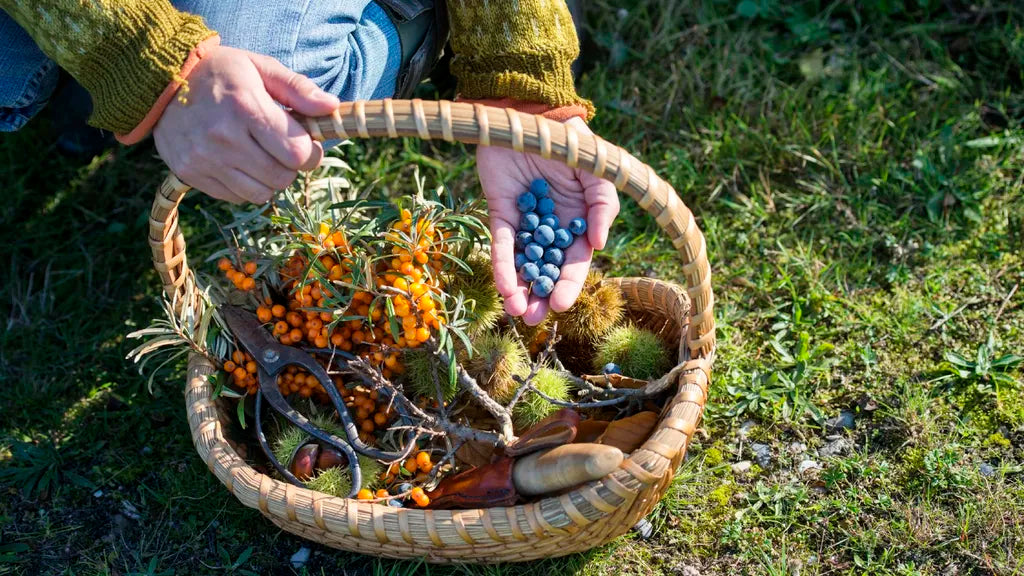
That is the idea behind harvest brewing: let the ingredient arrive with a place, a season and a story attached. A grapefruit from a local tree, tart cherries from a regional grower, blueberries you picked, or fresh hops selected at harvest can make a beer feel connected to where it was brewed.
You are not limited to Mr. Beer recipes that already contain fruit. Start with a favorite Mr. Beer refill or kit, choose any edible fruit that sounds fun, and use the regional pairings in this guide as inspiration. The creative choice is yours; safe preparation, thoughtful amounts and complete fermentation still matter.
A different kind of seasonal beer
Fresh harvest is the flavor.
This guide stays intentionally separate from spice-beer territory. Cinnamon, nutmeg, cloves, vanilla and packaged flavorings are not the story here.
Pick the fruit
Choose any edible regional fruit that interests you—not only fruit already named in a Mr. Beer recipe.
Meet the grower
Look for orchards, U-pick farms, farmers markets, local beekeepers and permitted harvests.
Follow the crop
Peaches, berries, citrus, cranberries, melons and hops each have a harvest window worth brewing around.
The regional harvest guide
What grows near you, and what could you brew with it?
Harvest timing varies by location, weather and elevation. Ask local growers what is ripe now, then choose a favorite Mr. Beer refill or kit as your base. The recipe links below provide useful examples of fruit quantities, formats and timing—but they are inspiration, not limits. You can experiment with any edible fruit you want, provided you prepare it safely, account for its sugar and acidity, and let fermentation finish before packaging.
Region 01
Pacific Northwest
Washington • Oregon • Idaho
Look for
Apples • Pears • Cherries • Berries • Fresh hops
Orchard fruit and hop harvest can point in two directions: a clean fruit beer that lets the crop show, or a hop-forward ale brewed while the annual harvest is at its most expressive.
Region 02
Southwest
Arizona • California • Nevada • Utah
Look for
Grapefruit • Oranges • Pomegranates • Figs • Dates
A backyard citrus tree can become the center of brew day. Pick sound fruit, avoid chemically treated areas, and use only the part and quantity required by the recipe.
Region 03
Great Lakes & Midwest
Michigan • Wisconsin • Illinois • Indiana • Ohio • Kentucky
Look for
Blueberries • Tart cherries • Apples • Pears • Michigan-grown hops
This region can connect fruit beer and fresh-hop beer in the same harvest season. Blueberries and cherries offer familiar recipe paths, while Michigan hop farms support same-day wet-hop brewing.
Region 04
Great Plains & Mountain West
Minnesota • Iowa • Missouri • Kansas • Nebraska • Dakotas • Montana • Wyoming • Colorado
Look for
Cherries • Raspberries • Apples • Local honey
Ask a nearby beekeeper what the bees were working when the honey was collected. For fruit, tart cherries and raspberries can bring acidity that keeps a beer bright rather than candy-sweet.
Region 05
South Central
Texas • Oklahoma • Arkansas • Louisiana • New Mexico
Look for
Muscadines • Persimmons • Pomegranates • Figs • Pecans
Muscadines, figs and pomegranates can make a beer unmistakably regional, but unfamiliar fruit should be treated as recipe development, not an automatic swap. Start with sanitation, sugar and acidity in mind.
Region 06
Northeast & New England
New York • Vermont • Maine • New Hampshire • Massachusetts • Connecticut • Rhode Island
Look for
Blueberries • Raspberries • Cranberries • Apples • Pears
Berry farms and orchards give brewers several tested directions. A wheat beer can carry bright berry character without becoming heavy, while tart fruit can keep the finish crisp.
Region 07
Southeast
Florida • Georgia • Carolinas • Alabama • Mississippi • Tennessee
Look for
Grapefruit • Satsumas • Tangerines • Peaches • Raspberries
Grapefruit offers a direct path into a tested Mr. Beer recipe. Peaches can work with saison, and the Mr. Beer fruit guide specifically uses peaches in saison as an example of matching fruit to base beer.
Region 08
Alaska
Positive identification and local harvest rules always apply
Look for
Local edible berries • Fireweed honey
Only harvest a wild berry when an experienced source can positively identify it as edible. A blueberry or raspberry recipe can provide a useful style reference, but wild fruit is not automatically interchangeable with cultivated fruit.
Region 09
Hawaii
Brew for the season you actually have
Look for
Pineapple • Tropical fruit • Local coffee • Cacao • Honey
Pineapple and other tropical fruit can create a strong local identity, but high acidity and fermentable sugar make measured additions important. Use a balanced base and let the ingredient support the beer rather than overwhelm it.
Regional harvest brewing in practice
Breweries That Brew the Harvest
The clearest regional beers do more than add “fruit flavor.” They begin with an actual crop, a nearby farm, a short seasonal window and a brewing decision that lets the ingredient still taste like where it grew. These breweries show several ways to do it.
Texas Hill Country • Jester King Brewery
Texas peaches, blueberries, melons and citrus
Jester King describes its farmhouse ales as beers often made with local farmed or foraged fruits, herbs and vegetables. Its documented fruit beers make that regional approach concrete.
What it harvests and uses: several hundred pounds of freshly harvested Fredericksburg peaches; northeast Texas blueberries from Echo Springs Blueberry Farm; Texas watermelon, Casaba, Santa Claus and Sugar Kiss melons; and 800 pounds of Rio Grande Valley blood oranges and Sunburst tangerines.
How the produce enters the beer: the peaches were ripened, pitted and puréed by hand, fermented for a few days, then co-fermented with fresh wort to complete dryness. Blueberry juice and skins co-fermented with wort for about four months. Summer melons were hand-processed and refermented in fresh farmhouse ale. The citrus was hand-juiced and zested before going into Provenance Blood Orange & Tangerine.
Maine • Allagash Brewing Company
Wild lowbush blueberries and a mixed Maine berry harvest
Little Sal adds local wild lowbush blueberries to a barrel-aged sour red ale, producing what Allagash calls a true taste of Maine. Pick Your Own starts as a sour red ale aged in an oak foudre for two years; local Maine raspberries, cherries, strawberries and blueberries are then added for another three months to retain fresh fruit flavor.
Regional lesson: local fruit can be the defining ingredient even when the base beer is mature and complex. The brewery adjusts contact time to the beer rather than treating every fruit the same way.
Delaware • Dogfish Head with Fifer Orchards
Fresh apple juice, strawberries and rhubarb
For its 2022 Harvest Festival, Dogfish Head collaborated with Dewey Beer Co. and Delaware's Fifer Orchards on Deep Delish, brewed with apple juice fresh from the orchard. The beer page describes reducing Fifer apple cider to concentrate the fruit and develop caramelized notes.
Another harvest example: Saison des Fraises was brewed at the end of strawberry season with local Fifer strawberries and rhubarb, fermented with the fruit in a Belgian-style saison.
Cape Cod, Massachusetts • Cape Cod Beer
Fresh local cranberries in a malt-forward harvest ale
Cranberry Harvest brought several local businesses together. Cape Cod Select Premium Cranberries supplied hundreds of pounds of fresh cranberries; The Local Juice reduced them to juice; and Cape Cod Beer infused that fresh juice into its German-style altbier, Harvest Ale.
Why the pairing works: tart cranberry arrives first, while the sweetness and depth of Munich- and Vienna-style malt provide balance. The current Cranberry Harvest continues as a cranberry-infused German ale made with all-natural cranberry juice.
Arizona • Grand Canyon Brewing Company
Prickly pear as an Arizona identity
Prickly Pear Wheat Ale is an American wheat ale infused with real prickly pear fruit. The brewery explicitly connects the fruit to Arizona's desert landscape, local heritage and the plant's cultural symbolism.
Regional lesson: this is a strong identity example even though the brewery does not describe a specific farm-to-kettle harvest batch on the beer page. The ingredient makes immediate geographic sense and is paired with a clean wheat base that leaves room for delicate fruit character.
Bring the harvest home
Start with a favorite Mr. Beer kit. Then make it local.
You do not have to buy a fruit-specific recipe to brew with fruit. Start with the Mr. Beer refill, recipe or kit you already enjoy, then experiment with locally picked or harvested fruit that excites you. A wheat beer might welcome berries or citrus; an amber can support cherries, cranberries or plums; a stout can stand up to raspberries or dark fruit; and a light ale can become a clean canvas for peaches, pears, melon or something unique to your area.
The pairings are a starting point, not a rulebook.
Add strawberries, peaches, blueberries, cherries, citrus, apples, pears, plums, melons, prickly pear—or another correctly identified edible fruit you can harvest responsibly. The fun is discovering what your local fruit does in your favorite Mr. Beer base.
Experiment thoughtfully: start with a measured addition, match the fruit's intensity to the beer, sanitize or otherwise prepare it correctly, keep fruit submerged during fermentation, and never add whole or fresh fruit directly to bottles. Use the Mr. Beer fruit-addition guide for methods, timing and packaging precautions.
The examples below show how fruit quantity, format and timing can vary. Follow a linked recipe when brewing it as written; when inventing your own combination, treat the examples as reference points rather than mandatory pairings.
Cherry Tart
Two cans of red tart cherries in water, plus fresh lime juice and zest, in a crisp two-gallon fruit beer.
Open recipePampelMUSE Grapefruit Hefeweizen
Sixteen ounces of good-quality grapefruit juice added on day seven; preservative-free juice is preferred when possible.
Open recipeRhapsody On Blue
A five-gallon blueberry wheat-style beer using two pounds of frozen or canned blueberries, puréed before fermentation.
Open recipeRapturous Raspberry
A five-gallon cerveza using four pounds of thawed, puréed frozen red raspberries added on brew day.
Open recipeRaspberry Wheat
A two-gallon wheat beer whose tested instructions use one can of red raspberries in heavy syrup.
Open recipeFruit Addition Guide
Preparation, timing, sanitation, fruit-to-beer balance and packaging cautions for anyone adapting a harvest ingredient.
Open brewing guideBefore you put the outdoors in your beer
Harvest first. Prepare carefully.
Identify it
Never consume a wild plant or fruit you cannot positively identify.
Get permission
Private property requires permission, and public land may restrict harvesting.
Check the site
Avoid busy roadsides and areas exposed to pesticides, herbicides or questionable water.
Prepare it
Fresh does not mean sanitary. Use the method appropriate to the fruit and recipe.
Watch fermentation
Fruit sugar can restart fermentation and create packaging risk.
From harvest to beer
A simple route from place to pint.
Find
Learn what is growing nearby and what is ripe now.
Match
Choose a Mr. Beer recipe or base style that suits the ingredient.
Prepare
Sanitize, process and measure the ingredient correctly.
Ferment
Give the yeast time to finish the fruit's additional sugar.
Share
Tell people what you harvested, where it grew and what you brewed.
Source notes
Verified harvest and recipe references.
- Jester King Texas Hill Country peaches, Texas blueberries, Texas summer melons and Texas citrusPrimary brewery posts documenting fruit sources, quantities, preparation and fermentation.
- Allagash Little Sal and Pick Your OwnOfficial beer pages documenting Maine wild lowbush blueberries and local Maine raspberries, cherries, strawberries and blueberries.
- Dogfish Head Deep Delish Harvest Festival story and Saison des FraisesOfficial brewery pages documenting fresh Fifer Orchards apple juice and local strawberries and rhubarb.
- Cape Cod Beer Cranberry Harvest collaboration and current Cranberry HarvestOfficial pages documenting hundreds of pounds of fresh local cranberries reduced to juice and infused into Harvest Ale.
- Grand Canyon Brewing Prickly Pear Wheat AleOfficial beer page identifying real prickly pear fruit and its connection to Arizona heritage and desert landscape.
- Sierra Nevada harvest guide, Founders Michigan hop harvest, Deschutes Chasin' Freshies and Bale Breaker Fresh Hop TopcutterPrimary brewery sources for the smaller fresh-hop sidebar.
- Mr. Beer fruit recipe collectionCurrent fruit quantities, formats, addition timing and instructions are linked above for Cherry Tart, PampelMUSE, Rhapsody On Blue, Rapturous Raspberry and Raspberry Wheat.
- Mr. Beer fruit-addition guideFresh-fruit sanitation, timing, balance and packaging guidance.


