

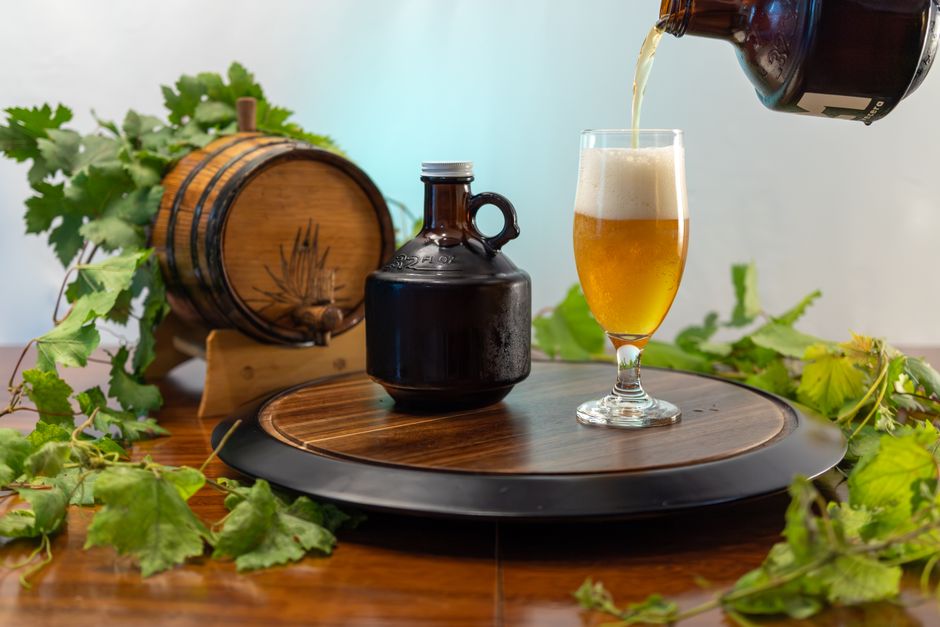
A taproom menu can feel like a foreign language. Pilsner, IPA, stout, lager, ale. These names are all beer styles, and once you understand how they fit together, choosing a beer or brewing one becomes much easier. The good news is that beer styles explained is not as complicated as it sounds. It starts with one simple idea: nearly every beer belongs to one of two families. From there, small differences in ingredients, yeast, and fermentation temperature create the wide range of flavors you see on store shelves and brewery chalkboards.
For homebrewers, learning about styles is the difference between following a recipe blindly and actually understanding what you are making. When you know why a beer tastes the way it does, you can make smarter choices about ingredients, fermentation, and even which kit or refill to buy next. This guide walks through the basics so you can start brewing with confidence.
What Is a Beer Style? Beer Styles Explained
A beer style is a label given to a beer that describes its overall character and, oftentimes, its place of origin. When someone orders a pilsner or picks up a six-pack of IPA, that style name sets expectations. It tells you something about how the beer should look, smell, taste, and feel before you even take a sip.
Styles are helpful for everyone in the beer world. Drinkers use them to find flavors they enjoy. Brewers use them to set a target for the beer they are making. Competition organizers use them to group beers into fair categories so similar brews can be compared against one another. Even casual homebrewers benefit from knowing a style, because it gives you a clear goal when you are designing or choosing a recipe.
The Big Split: Ales and Lagers
All beer falls into two styles: ales and lagers. Yeast is the difference here. The type of yeast you use and the temperature at which it ferments determines which family your beer belongs to, and that single choice shapes the entire character of the final brew.
Ales are typically warm fermented, using yeast that works at higher temperatures. This warmer environment encourages the yeast to produce flavors that lean toward fruity and complex. If you have ever tasted a beer with notes of banana, clove, citrus, or stone fruit, you were likely drinking an ale.
Lagers take the opposite path. They are cold fermented, using a different yeast that performs best at lower temperatures. The result is a beer that is usually crisp, clean, and refreshing. Lagers do not show as much fruity character as ales, which is why they often taste smooth, straightforward, and highly drinkable.
Yeast Type and Fermentation Temperature
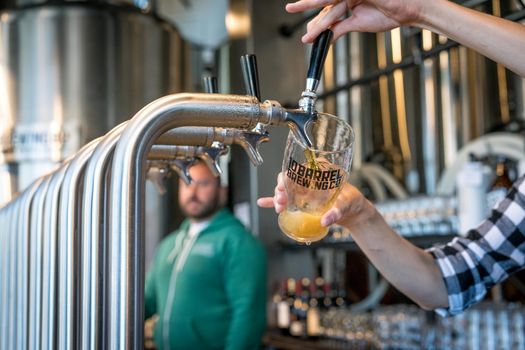
Craft beer styles come down to two things: yeast type and fermentation temperature. American brewers and most other craft brewers call beers ales if they use top-fermenting ale yeast and lagers if they use bottom-fermenting lager yeast. Those two terms describe where the yeast does its work during fermentation.
Top-fermenting yeast tends to collect near the surface of the beer, and it thrives in warmer conditions. Bottom-fermenting yeast works lower in the fermenter and prefers cooler temperatures. For homebrewers, this means fermentation temperature control is one of the most important tools you have. Brew an ale yeast too hot and you may get more fruity esters than you wanted. Brew a lager yeast too warm and you may lose the clean finish that makes lagers so refreshing.
Once you understand this foundation, every other beer style starts to make sense. IPAs, stouts, porters, and wheat beers are all ale styles at heart. Pilsners, bocks, and most light-bodied crisp beers belong to the lager family. The names may vary, but the yeast story stays the same.
Common Beer Style Families Worth Knowing
You do not need to memorize hundreds of style names to be a confident homebrewer. Start with a few familiar families, and you will quickly recognize patterns across the beer aisle.
Pilsner
Pilsners are one of the most recognizable lager styles, and they fit the crisp, clean, refreshing character that cold fermentation produces. A good pilsner is light and bright, making it an excellent choice for brewers who want to practice temperature control and appreciate the subtle difference that lager yeast brings to a beer.
IPA
IPA, short for India Pale Ale, is firmly in the ale family. Because it is brewed with top-fermenting ale yeast at warmer temperatures, it carries that fruity and complex character associated with ales. IPAs are also a favorite style for experimenting with different ingredients, which is why you see so many variations on the name.
Stout
Stouts also belong to the ale family. Like other ales, they are warm fermented with top-fermenting yeast, which allows for a richer and more complex flavor profile. Stouts show how much variety exists within the ale family, proving that one yeast type can produce an incredibly wide range of beers.
Why Beer Style Guidelines Matter
If you want to go deeper, there are official resources that define beer styles in detail. The Brewers Association publishes beer style descriptions for brewers and beer competition organizers, drawing from the commercial brewing industry, beer analyses, and ongoing research. These guidelines are the reference point for professional brewers and serious hobbyists alike.
There is also a Beer Styles Study Guide from CraftBeer.com that gives beer lovers a methodology to describe, compare, and contrast beer produced by small and independent U.S. brewers. You do not need to be a competition judge to use it. Reading through style descriptions and tasting beers side by side is one of the best ways to train your palate and understand what makes each style unique.
For homebrewers, these guides serve as a measuring stick. When you brew a beer and compare it to the official description for that style, you can identify what worked, what missed, and what to adjust next time. That feedback loop is how beginners become skilled brewers.
How to Start Brewing Different Beer Styles at Home
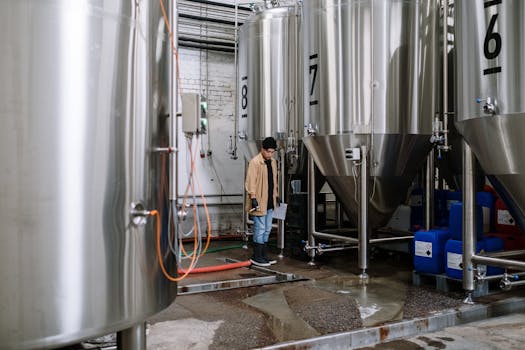
You do not need a large commercial brewery to explore beer styles. Beginner-friendly systems like Mr. Beer's 2-gallon brewing kits are designed to make the process approachable, with a typical basic brew day taking about 30 minutes of active time. That leaves plenty of room to focus on the fun part: choosing the style you want to brew.
Mr. Beer offers a range of refills and recipe kits that let you move between styles without needing to source every ingredient yourself. Standard, deluxe, and craft refill options give you different starting points, while recipe kits include additional hops, grains, extracts, yeast, and other ingredients for more involved brews. This structure is perfect for beginners because the ingredients arrive measured and ready, so you can focus on learning the process before tweaking recipes on your own.
As your confidence grows, you can use that same equipment to branch out. Because the system is small and manageable, it is easy to brew one style, taste the result, and then brew something completely different the next weekend.
Tips for Choosing a Style to Brew First
-
Pick a style you already enjoy drinking. If you love the crisp character of lagers, start with a pilsner-style kit. If you prefer bold and complex flavors, an ale-style recipe might be a better fit.
-
Check the fermentation temperature before you commit. Lagers need cooler conditions, so make sure you have a spot in your home that can stay consistently cold enough.
-
Start with a refill or recipe kit designed for beginners. Pre-measured ingredients remove a lot of guesswork while you are still learning the basics.
-
Keep notes on every batch. Write down the style, the ingredients, the fermentation temperature, and how the final beer tasted compared to the style description.
-
Brew the same style more than once. The second batch always comes out better because you already learned something from the first.

Brewing Beyond Your First Batch
Once you have a few successful batches under your belt, you can start experimenting with the variables that define beer styles. Try swapping one ingredient at a time, adjusting your fermentation temperature, or choosing a different yeast strain. Small changes like these are how homebrewers learn to shape flavor instead of just following directions.
You can also compare your beer to commercial examples of the same style. Pour your homebrew and a store-bought version side by side, then describe both using the same language you see in style guides. That comparison is one of the most practical ways to understand where your beer stands and what you want to improve.
Frequently Asked Questions
What is the difference between ale and lager?
The difference comes down to yeast and fermentation temperature. Ales are warm fermented with yeast that works at higher temperatures, which tends to create fruity and complex flavors. Lagers are cold fermented with a different yeast, producing a crisp, clean, refreshing character. Understanding this split is the foundation of beer styles explained for beginners.
Is an IPA an ale or a lager?
An IPA, short for India Pale Ale, is an ale. It is brewed with top-fermenting ale yeast at warmer temperatures, so it belongs to the fruity and complex side of the beer family tree. Pilsners, by contrast, are lagers, which is why they taste crisper and cleaner than most IPAs.
Why should homebrewers pay attention to beer styles?
A beer style is a label that describes a beer's overall character and often its place of origin. Style guidelines give brewers a target to aim for, whether they are entering a competition or just trying to recreate a favorite commercial beer. They also help you describe and compare the beer you brew in clear, consistent terms.
Can a beginner brew different beer styles at home?
Yes. Beginner systems like Mr. Beer's 2-gallon kits keep the active part of brew day around 30 minutes, and refills and recipe kits offer a range of styles with pre-measured ingredients. As you learn how yeast and fermentation temperature shape flavor, you can start experimenting with ales, lagers, and everything in between.


1 Comment
Thank you for the informative article. I started brewing with Mr. Beer 29-30 years ago. After about 15 years, I started moving to 5 gallon extract brews and now 5 gallon brew-in-a-bag method. I appreciate the introduction to homebrewing from Mr. Beer and will still occasionally brew an Irish Stout with honey using the Mr. Beer HME.
Important things I have learned include:
1. Clean and sanitize everything that might come in contact with your brew. 30 years ago, it was recommended to use a Chlorine Bleach solution to sanitize and a mild detergent to clean. Now I use PBW (powdered brewery wash) similar to the One Step to clean, and StarSan (pH=3) acid solution to sanitize.
2. Temperature control is essential. The yeast like the temperature that they like. If it is too warm, they can add off flavors. If it is too cold, they don’t work very well. Check the specifications on the yeast package/instructions.
3. Try to use your ingredients when they are as fresh as possible. For years, I would buy a lot during a sale and brew throughout the year. This was a mistake. Old ingredients can add off flavors.
4. Try to brew/boil with your full volume of water rather than adding cold tap water at the end to bring the volume up. Adding a bit of tap water at the end is ok, but try to dissolve the extract wort in as close to full volume as possible. It makes a difference.
Thanks,
BCE