

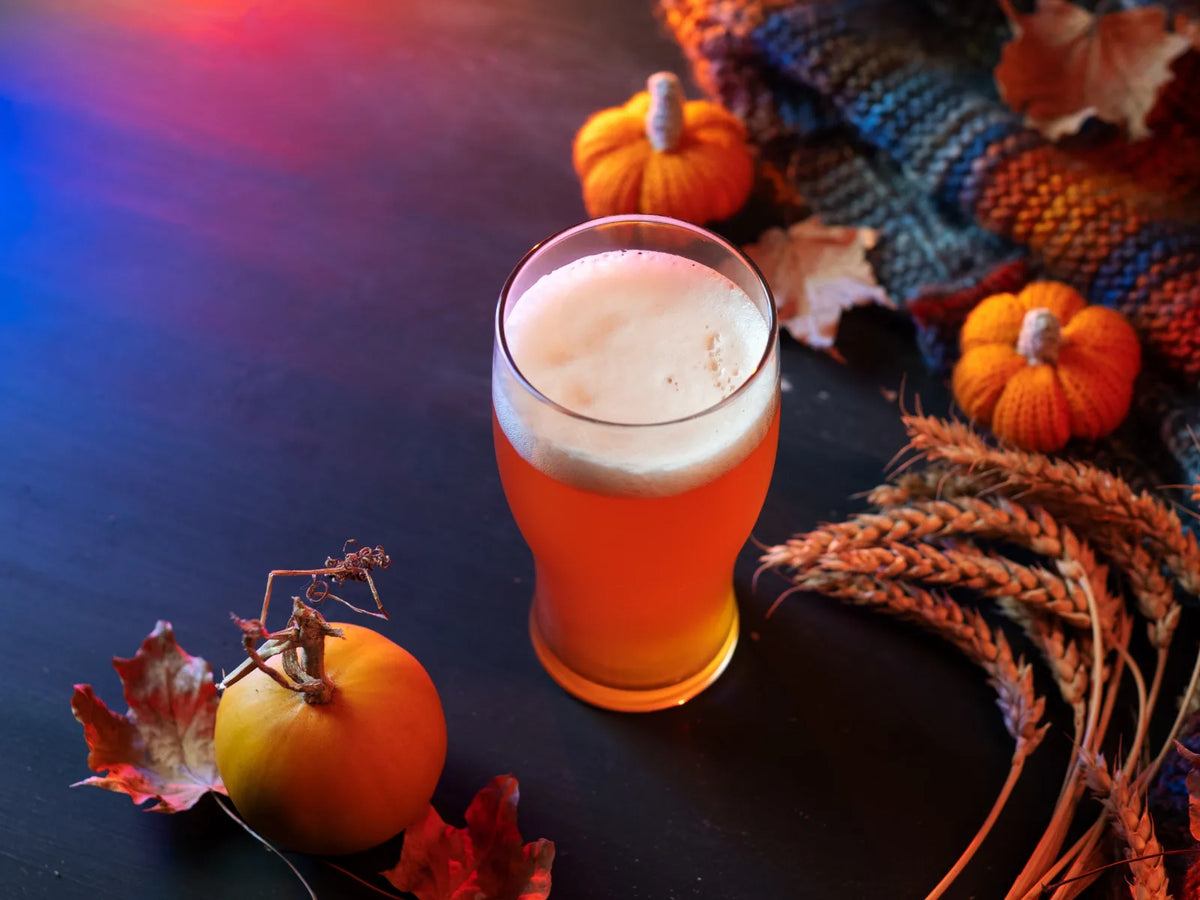
There are two ways to make pumpkin beer harder than it needs to be: use too much pumpkin, or start improvising before you understand what each ingredient is doing.
For a first batch, there is a much easier path.
Start with a proven amber ale base, use a measured amount of pumpkin and spice, and let the malt do most of the heavy lifting. That gives you the familiar caramel, pumpkin-pie, and warming spice character people expect without turning brew day into an all-day project.
If you're looking for a pumpkin beer homebrew recipe that stays approachable, this guide walks through a beginner-friendly extract method first, then explains how fresh pumpkin, all-grain brewing, rice hulls, and spice timing change the process.
- Easiest route: Start with an extract-based amber ale recipe instead of building a pumpkin beer from scratch.
- For a 2-gallon batch: Mr. Beer's Pumpkin Rising uses 10 oz pumpkin purée, 3/4 cup light brown sugar, and 1 tablespoon pumpkin pie spice.
- Use plain pumpkin: Choose 100% pumpkin purée, not pumpkin pie filling.
- Caramelize it first: Baking the pumpkin develops richer flavor before it goes into the beer.
- All-grain brewers: Pumpkin can make the mash harder to drain, so rice hulls and good mash management become much more important.
What Pumpkin Actually Adds to Beer
Pumpkin is subtler in beer than many first-time brewers expect.
It can add body, color, a mild earthy sweetness, and a softer mouthfeel, but the unmistakable “pumpkin beer” character usually comes from the combination of malt and baking spices.
That's why a good pumpkin ale starts with a beer that already works on its own.
Amber ale is a natural fit because caramel malt character gives cinnamon, nutmeg, ginger, clove, and similar spices something to sit on. The pumpkin supports that combination rather than having to carry the entire flavor profile.
Think of pumpkin beer this way: the beer is the foundation, pumpkin adds texture and seasonal character, and the spice blend creates much of the familiar pumpkin-pie aroma.
The Beginner-Friendly Route: Pumpkin Rising Spiced Amber Ale
Rather than combining pieces of unrelated recipes, the easiest way to brew your first pumpkin beer is to follow a recipe that was actually designed as a complete batch.
Pumpkin Rising Spiced Amber Ale uses Bewitched Amber Ale as the malt base and adds caramelized pumpkin, brown sugar, pumpkin pie spice, and Safale S-33 yeast.
It's a good beginner example because the basic beer-making process remains familiar. You're not building a grain bill, calculating hop additions, or trying to create a spice blend from scratch. The seasonal ingredients are layered onto a proven malt-extract recipe.
What Comes With the Recipe
- Bewitched Amber Ale Brewing Extract
- Safale S-33 Dry Ale Yeast
- No-Rinse Cleanser
- 10 oz plain pumpkin purée
- 3/4 cup light brown sugar
- 1 tablespoon pumpkin pie spice
Use plain pumpkin purée, not pumpkin pie filling. Pie filling already contains sugar and spices, which changes the recipe before you've even started brewing.
A Beginner-Friendly Pumpkin Beer Brew Day
The full recipe instructions should always be your source of truth, but here's what the process looks like at a high level.
Step 1: Sanitize Everything That Touches the Beer
Before brewing, sanitize the fermenter, lid, spigot, spoon or whisk, can opener, measuring cup, and anything else that will touch your wort or beer.
Good sanitation matters more than any pumpkin trick or secret spice blend. Seasonal ingredients can make a beer more interesting, but they can't rescue a batch contaminated by dirty equipment.
Step 2: Build the Amber Ale Base
For Pumpkin Rising, the brown sugar is dissolved in water, brought to a boil, and then removed from the heat before the Bewitched Amber Ale brewing extract is stirred in.
That creates the wort — the unfermented beer that the yeast will later turn into alcohol and carbon dioxide.
The wort is transferred into the fermenter with cold water, mixed thoroughly, and the Safale S-33 yeast is added.
The current recipe calls for fermentation in a stable location between 65–76°F (20–25°C) and out of direct sunlight.
Step 3: Let Fermentation Get Established
This is where patience beats tinkering.
Don't keep opening the fermenter to smell, taste, stir, or “check on” the beer. Give the yeast time to work and follow the recipe schedule.
For Pumpkin Rising, the seasonal addition is prepared at about the one-week mark.
Step 4: Caramelize the Pumpkin
Spread the pumpkin purée in a thin layer in a shallow pan and cover it with foil. The current Pumpkin Rising instructions call for baking it at 350°F for about 30–45 minutes, until the pumpkin begins to brown and the sugars develop deeper caramelized character.
Watch it carefully. You want caramelization, not burnt pumpkin.
After baking, allow the pumpkin to cool to about 70°F before mixing in the pumpkin pie spice.
Why caramelize it? Baking develops richer, sweeter flavors and moves the pumpkin away from raw squash character toward the deeper flavor most people expect in pumpkin beer.
Step 5: Add the Pumpkin and Spice According to the Recipe
For Pumpkin Rising, the current detailed recipe schedule calls for the cooled pumpkin and spice addition around the one-week point, followed by another week of fermentation.
This is an important reason not to apply generic pumpkin-beer advice to every recipe. Some recipes use pumpkin in the boil, some in the mash, and some during fermentation.
Follow the timing written for the specific beer you're brewing.
Step 6: Confirm Fermentation Is Finished Before Bottling
The recipe's standard schedule is 14 days, but time alone doesn't make a beer finished.
Follow the current recipe instructions before packaging. If the beer is not ready at the planned bottling date, give fermentation additional time rather than rushing it into bottles.
After bottling, carbonation and conditioning need their own time before the beer reaches its best flavor.
Canned Pumpkin vs. Fresh Pumpkin
Both can work, but they're not equally convenient.
| Consideration | Canned Pumpkin Purée | Fresh Pumpkin |
|---|---|---|
| Prep | Minimal | Requires cutting, cleaning, and roasting |
| Consistency | Very consistent | Varies by pumpkin and preparation |
| Flavor | Mild and easy to control | Can develop deeper roasted character |
| Best for | First pumpkin beer | Brewers who want more prep and experimentation |
For a beginner, canned purée is the easy choice. It's already processed, predictable, and simple to measure.
If you're using fresh pumpkin, roast it first. Our broader guide to brewing with pumpkin covers fresh-pumpkin preparation and other addition methods in more detail.
How Much Pumpkin Should You Use?
More pumpkin does not automatically mean more pumpkin flavor.
Mr. Beer's general pumpkin-brewing guidance recommends up to about 15 oz for a 2-gallon batch and up to about 30 oz for a 5-gallon batch. Pumpkin Rising itself is more restrained, using 10 oz in its 2-gallon recipe.
That's worth paying attention to.
Too much purée can add unnecessary thickness, sediment, and cleanup while making the brewing process harder without delivering a proportional increase in flavor.
Beginner rule: Start with the amount the tested recipe calls for. If you want more pumpkin character, adjust the next batch after tasting the finished beer.
Pumpkin Spice: More Is Not Better
This is where many pumpkin beers go sideways.
Cinnamon, nutmeg, ginger, clove, and allspice are powerful ingredients. A beer that is slightly under-spiced can still taste balanced and malty. A beer overwhelmed by clove or nutmeg is much harder to fix.
Pumpkin Rising simplifies the decision by using 1 tablespoon of pumpkin pie spice for its 2-gallon batch.
Mr. Beer's broader pumpkin guide suggests starting more conservatively when you're developing your own recipe and staying at or below about 1 tablespoon total for a standard 2-gallon batch.
If you're brewing from a tested recipe, use its spice schedule instead of improvising.
Extract vs. All-Grain Pumpkin Beer
The biggest difference isn't whether one method makes “better” pumpkin beer. It's how much of the brewing process you want to manage yourself.
- Shorter, simpler brew day
- No mash or sparge
- Easier for first-time brewers
- Lets you focus on pumpkin and spice balance
- More control over the grain bill
- Pumpkin may be incorporated into the mash
- Longer and more equipment-intensive brew day
- Mash drainage becomes an extra consideration
If this is your first pumpkin beer, extract is the easier route. You can learn how pumpkin and spice behave without adding mash chemistry and lautering to the same brew day.
All-Grain Brewers: How to Avoid a Stuck Sparge
This problem matters primarily if you're brewing all-grain or otherwise putting pumpkin into the mash.
Pumpkin purée can make a mash thick and gummy, which may slow wort runoff or contribute to a stuck sparge.
Rice hulls are commonly used to improve the physical structure of the grain bed and help liquid move through it more freely. They don't need to contribute flavor — their job is mechanical.
A few practical habits help:
- Use rice hulls when the mash contains a significant amount of pumpkin.
- Mix the pumpkin thoroughly instead of leaving dense pockets in the grain bed.
- Don't crush or compact the grain bed unnecessarily.
- Run off gradually rather than forcing the sparge.
- Consider keeping some or all of the pumpkin out of the mash if your system is especially prone to drainage problems.
If you're brewing an extract-based Mr. Beer recipe such as Pumpkin Rising, none of this is part of your brew day. There is no sparge to get stuck.
Common Pumpkin Beer Mistakes
Want to Build Your Own Pumpkin Beer?
Once you've brewed a tested pumpkin recipe, experimenting becomes a lot more useful because you have a baseline for comparison.
You might try:
- A darker porter or stout base
- A lighter golden ale with restrained spice
- Fresh roasted pumpkin instead of canned purée
- A different spice balance
- Pumpkin added at a different stage of the process
The important part is changing one or two things at a time. If you change the malt, pumpkin quantity, spice blend, yeast, and addition timing all in one batch, you'll never know which change actually improved the beer.
For a deeper look at those options, read our complete guide to brewing with pumpkin.
Frequently Asked Questions About Pumpkin Beer
Can I make pumpkin beer with canned pumpkin?
Yes. Plain canned pumpkin purée is one of the easiest options because it is consistent, easy to measure, and requires less preparation than fresh pumpkin. Avoid pumpkin pie filling unless a recipe specifically calls for it.
How much pumpkin should I use in a 2-gallon batch?
Follow the specific recipe you're brewing. Mr. Beer's general guidance is up to about 15 oz of pumpkin for a standard 2-gallon batch, while Pumpkin Rising uses 10 oz. Adding more does not necessarily create more pumpkin flavor and can make the beer thicker and messier to work with.
When should I add pumpkin to beer?
It depends on the recipe. Pumpkin can be used during the mash, boil, or fermentation, and each method changes the process and finished character. Pumpkin Rising uses a caramelized pumpkin and spice addition during its fermentation schedule, so always follow the instructions for the specific recipe you're brewing.
When should I add pumpkin pie spice?
Spice timing depends on the recipe. Some pumpkin beers use late-boil additions while others add spice later in the process. Pumpkin Rising mixes the pumpkin pie spice with the cooled, caramelized pumpkin before the seasonal addition is made. Don't assume every pumpkin beer uses the same timing.
Do I need rice hulls for pumpkin beer?
Not for an extract recipe such as Pumpkin Rising. Rice hulls become useful when pumpkin is included in an all-grain mash because the purée can make the grain bed gummy and harder to drain. Their job is to help maintain flow through the mash.
Is extract or all-grain better for a first pumpkin beer?
Extract is usually the simpler first step because it removes the mash and sparge from the process. That lets you concentrate on fermentation, pumpkin preparation, and spice balance before adding the extra variables of an all-grain brew day.
Does pumpkin beer have to contain real pumpkin?
Not necessarily. Some seasonal beers get much of their recognizable pumpkin-pie character from malt and baking spices. Real pumpkin adds body and its own subtle flavor, but the exact ingredients depend on the recipe and the result you're trying to create.
Your First Pumpkin Beer Doesn't Need to Be Complicated
A good pumpkin beer is still beer first.
Start with a malt base that makes sense, use pumpkin with restraint, measure your spices, and follow the fermentation schedule instead of trying to adjust the batch every few days.
For a first attempt, Pumpkin Rising takes care of most of those decisions for you. You get the amber ale base and brewing yeast, then provide the pumpkin, brown sugar, and spice that turn it into a seasonal beer.
Once you've brewed it once, you'll have something much more useful than another recipe from the internet:
a baseline for building your own pumpkin beer next fall.
Ready to brew a pumpkin beer?
Start with a proven amber ale base, caramelized pumpkin, and a measured dose of fall spice.


