

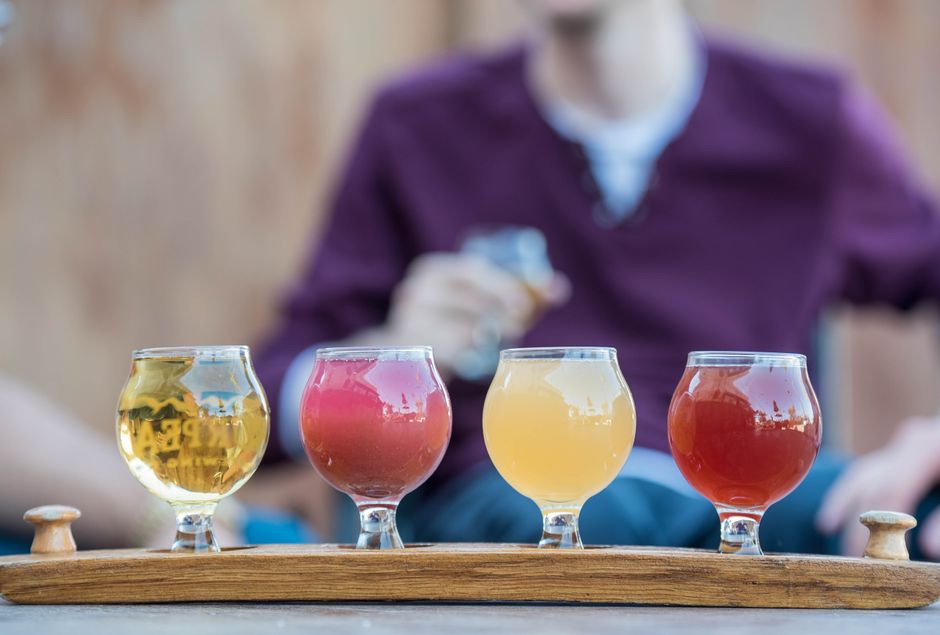
Cooler weather has a way of changing what sounds good in a glass. As the days get shorter and the leaves begin to turn, crisp summer beers often give way to toasted malt, darker styles, seasonal spices, and beers built for cooler evenings.
That makes fall one of the most rewarding seasons for homebrewing. You can lean into a smooth Oktoberfest-style lager, brew something rich and malty, experiment with pumpkin and spice, or keep the hops flowing with a brighter fall IPA.
If you're new to homebrewing, the Mr. Beer 2-gallon system keeps the process approachable, with a basic refill brew day taking about 30 minutes. If you already have a few batches under your belt, fall is also a great excuse to try recipes with specialty grains, additional hops, or seasonal ingredients.
- Oktoberfest and Märzen: Toasty, smooth, malt-forward beers made for fall gatherings.
- Pumpkin and seasonal ales: A flexible category built around malt, harvest ingredients, and warming spices.
- Brown ales: Caramel, toast, cocoa, and nutty malt character without becoming too heavy.
- Porters: Darker, roasty beers with chocolate, coffee, and toasted malt flavors.
- IPAs and hop-forward ales: Proof that fall beer doesn't have to be dark or spiced.
If you're planning several batches for the season, our guide to beers to start brewing now for fall can help you work backward from when you want them ready.
5 Fall Beer Styles to Brew at Home
| Style | Typical Character | Why It Fits Fall |
|---|---|---|
| Märzen & Oktoberfest | Toasty, bready, smooth, malt-forward | Classic Oktoberfest season flavor |
| Pumpkin & Seasonal Ale | Malty, spiced, harvest-inspired | Built around familiar fall flavors |
| Brown Ale | Caramel, toast, cocoa, subtle nuttiness | Rich enough for cool weather without feeling heavy |
| Porter | Roasty, chocolatey, coffee-like | A natural fit for colder evenings and hearty food |
| IPA & Hop-Forward Ale | Citrus, pine, floral, bitter, aromatic | A bright alternative to malt-heavy seasonal beers |
1. Märzen and Oktoberfest Lagers
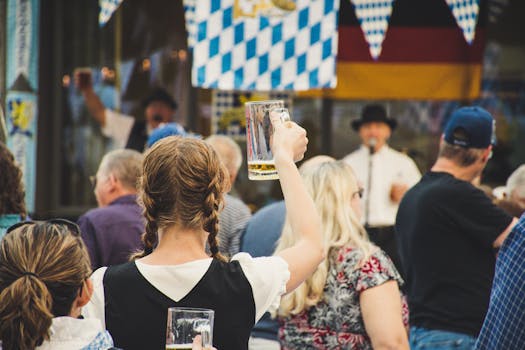
Ask beer drinkers to name a classic fall style and Oktoberfest beer will usually be near the top of the list.
Märzen, Festbier, and other Oktoberfest-style beers are built around malt rather than aggressive hop character. Expect flavors that can lean toward toasted bread, biscuit, light caramel, and a smooth, rounded finish.
That malt-forward profile makes them especially good alongside sausages, pretzels, roasted meats, grilled food, and the heavier meals that start showing up as the weather cools.
Traditional Märzen is a lager, but don't assume every Oktoberfest-style homebrew requires the exact same fermentation process. The correct fermentation temperature and conditioning time depend on the yeast and specific recipe you're brewing.
For example, Oktoberfest Lager Standard Refill offers a straightforward Mr. Beer approach, while The King's Märzen – Oktoberfest Lager Recipe uses traditional W-34/70 lager yeast and rewards cooler fermentation and extra conditioning time.
Follow the instructions for the beer in front of you rather than applying generic lager rules to every batch.
Fall flavor lane: Toasted malt, bread crust, biscuit, gentle caramel, and a clean finish.
2. Pumpkin Ale and Autumn Seasonal Beers
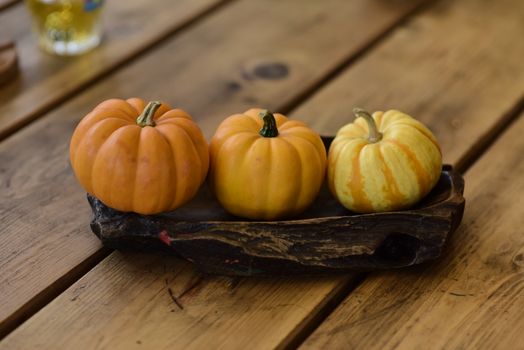
Pumpkin beer may be the most recognizable seasonal beer of fall.
The Beer Judge Certification Program's Autumn Seasonal Beer category describes malty, spiced beers intended to evoke cool weather and the autumn harvest. Pumpkin or other squash may be used, but it isn't required.
That last part surprises some brewers. Much of the character people associate with pumpkin beer can come from familiar baking spices such as cinnamon, nutmeg, allspice, or clove layered over a solid malt base.
The key is restraint.
Spices can become dominant quickly, especially when several are combined. Rather than repeatedly opening the fermenter and trying to adjust the beer on the fly, start with a tested recipe and follow its recommended spice amounts and addition timing.
If you want to experiment with actual pumpkin or squash, our guide to brewing pumpkin beer at home goes deeper into the process.
Fall flavor lane: Malt, pumpkin or squash when used, cinnamon, nutmeg, allspice, clove, and other harvest-inspired additions.
3. Brown Ale
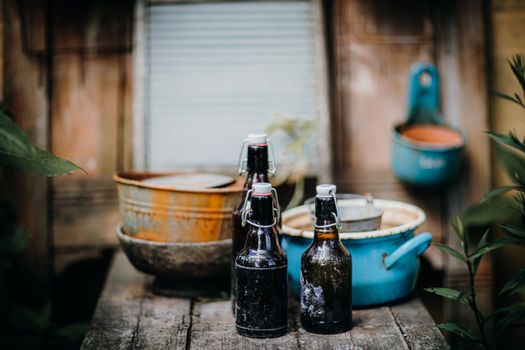
Brown ale doesn't always get the attention that pumpkin beer or Oktoberfest does, but it may be one of the most naturally fall-friendly styles you can brew.
Brown ales sit in a comfortable middle ground. They're darker and maltier than many pale ales without moving all the way into the deeper roast character of porter or stout.
Depending on the recipe, flavors can include caramel, toasted grain, biscuit, cocoa, and subtle nuttiness. The result can be rich enough for a chilly evening while still remaining easy to drink.
They're also great food beers. Brown ale works well with roasted vegetables, burgers, grilled meats, barbecue, nutty cheeses, and plenty of other fall comfort food.
For homebrewers who want to go beyond a basic refill, Churchill's Revenge Nut Brown Ale builds the style with chocolate malt, Smooth DME, specialty grain, hops, and Nottingham yeast for a more involved fall brew.
Fall flavor lane: Caramel, toast, biscuit, cocoa, light roast, and subtle nutty character.
4. Porter
Porter earns its place in the fall lineup with deeper roasted malt character and a darker pour that feels right at home when the evenings start cooling down.
Depending on the recipe, a porter can bring flavors of chocolate, coffee, dark caramel, toast, or dark fruit. Compared with some stouts, porters can feel a little softer or more malt-focused, although the line between the two styles isn't always as simple as color or roast level.
Porter also gives homebrewers plenty of room to experiment. Vanilla, coffee, cocoa, and other additions can complement the base beer when they're used intentionally and according to a tested recipe.
As with any ale, don't rely on vague advice like “room temperature” when you're deciding where to ferment it. Follow the recommended temperature range for the yeast and recipe you're actually using.
Darkness is not reserved for winter.
Fall flavor lane: Chocolate, coffee, roasted malt, toast, dark caramel, and sometimes dark fruit.
5. IPA and Hop-Forward Fall Ales
Not every fall beer needs to be dark, malty, or spiced.
If you're a hop fan, there's no reason to retire your IPAs just because the calendar says September.
A hop-forward fall beer can bring citrus, pine, floral, herbal, or resinous character that offers a bright contrast to the season's heavier malt-driven styles. Some brewers also lean into harvest season with fresh-hop or wet-hop beers when freshly picked hops are available.
You can also give a fall IPA a slightly fuller malt base to support the hop character without turning it into a completely different beer. The goal isn't to force an IPA to taste “autumnal.” It's simply to brew something hop-forward that still fits what you want to drink as the season changes.
The takeaway is simple: fall brewing doesn't require pumpkin spice or brown malt. If IPA is what you love, brew an IPA.
Fall flavor lane: Citrus, pine, floral, herbal, or resinous hop character with enough malt underneath to keep the beer balanced.
Practical Tips for Brewing Fall Beer at Home
Whichever direction you choose, a few habits will make seasonal brewing easier.
- Choose a recipe that fits your experience level. A basic refill and a recipe with grain steeps, hop boils, or specialty yeast can produce very different brew days even when the finished beers share a similar style name.
- Keep good notes. Seasonal recipes have a habit of becoming annual traditions. Record what you brewed, what you changed, and what you want to do differently next fall.
- Don't rush conditioning. Some malt-forward beers and more involved recipes continue to improve with additional time after carbonation.
- Keep the fundamentals boringly consistent. Sanitation, stable fermentation conditions, and patience matter just as much in fall beer as they do in every other batch.
Frequently Asked Questions
What makes a beer a fall beer?
There is no official beer style called “fall beer.” The term usually refers to styles and flavors that feel especially suited to autumn, including Oktoberfest-style lagers, Märzen, brown ales, pumpkin beers, porters, stouts, and hop-forward harvest-season beers.
What defines an Autumn Seasonal Beer?
The Beer Judge Certification Program describes Autumn Seasonal Beer as a malty, spiced specialty beer intended to suggest cool weather and the autumn harvest. Pumpkin or another squash may be used, but it is not required. The added ingredients should complement the underlying beer rather than completely overwhelm it.
Do pumpkin beers have to contain pumpkin?
No. Pumpkin or other squash may be included, but it is not required for an Autumn Seasonal Beer. Many recipes get much of their familiar seasonal character from spices such as cinnamon, nutmeg, allspice, or clove layered over a malty base beer.
Are porters and stouts only winter beers?
Not at all. Darker malt-forward beers fit naturally into fall as temperatures cool. Porters and stouts can bring chocolate, coffee, toast, caramel, and roasted flavors that pair especially well with cooler evenings and richer seasonal food.
What is the easiest fall beer style to brew at home?
Difficulty depends more on the actual recipe than the style name. A straightforward brown ale, amber ale, porter, or Oktoberfest-style refill can all be approachable, while recipes with specialty grains, hop boils, spice additions, or traditional lager yeast may require additional steps. Start with a recipe that matches your brewing experience and a beer you already enjoy drinking.
When should I start brewing beer for fall?
Work backward from when you want to drink it. Basic Mr. Beer batches still need several weeks for fermentation, carbonation, and conditioning, while more involved recipes or traditional lager-style processes may need additional time. Check the instructions for your specific refill or recipe before setting your brew date.
Pick a Beer That Fits the Season — and Your Taste
The best part of fall brewing is that there isn't one correct beer for the season.
You can brew a smooth Oktoberfest-style lager for a backyard gathering, a pumpkin ale for Halloween, a brown ale for game day, a porter for the first truly cold night, or an IPA simply because hops don't stop tasting good when the leaves change color.
Start with the flavors you already enjoy, give the beer enough time to ferment and condition properly, and let fall provide the excuse to get another batch going.
Ready to queue up your fall brews?
Explore Mr. Beer refills and recipes for malt-forward favorites, seasonal beers, and everything in between.


