

What changing drinking habits could mean for the future of homebrewing.
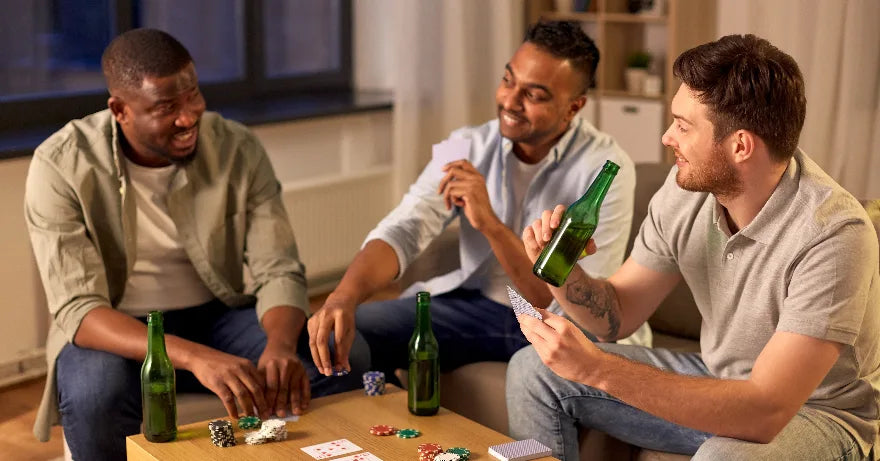
Beer has been part of social gatherings, celebrations, sporting events, backyard get-togethers, and weekend traditions for generations. But the way younger adults think about drinking is changing, creating an important moment for the beer industry.
Gen Z and younger Millennials are approaching alcohol differently. Health and wellness, changing social habits, financial pressures, and a wider range of beverage choices can all influence when, why, and what younger adults choose to drink. Rather than treating alcohol as an automatic part of every social occasion, many younger consumers are becoming more intentional about the role it plays in their lives.
That does not necessarily mean younger adults have lost interest in flavor, craftsmanship, or the social experience surrounding beer. It creates an opportunity to rethink how beer is introduced to a generation that often values experiences, personalization, creativity, and learning something new.
The Data Behind the Trend
Gallup reported that 62% of U.S. adults ages 18 to 34 said they drink alcohol in 2021–2023, down from 72% in 2001–2003. Gallup also reported that average drinks consumed over the previous seven days among adults ages 18 to 34 fell from 5.2 to 3.6 between those periods.
Source: Gallup: Young Adults in U.S. Drinking Less Than in Prior Decades
Health and Wellness Are Becoming Bigger Priorities
One of the clearest changes in younger drinking culture is the attention placed on physical and mental wellness. Someone focused on fitness, nutrition, sleep, or simply feeling good the next morning may be more selective about when alcohol fits into the week.
This makes moderation an important part of the conversation. Instead of choosing a drink simply because it is available, a younger consumer may think more carefully about the occasion, the flavor, and whether the experience feels worthwhile. For beer brands, the quality of the overall experience can matter just as much as the drink itself.
What matters most when you choose a drink?
Is it the flavor, price, ingredients, the occasion, or the overall experience?
Socializing Doesn't Look the Same Anymore
Group chats, gaming, social media, streaming, and online communities give younger adults many ways to connect without gathering at a traditional bar or restaurant.
If drinking is no longer the default activity, beer needs another reason to be part of the occasion. Homebrewing offers one because it turns beer into a project. Friends can choose a style, brew a batch, follow its progress, and eventually share the finished result.
Have your social habits changed?
When you get together with friends, is beer still part of the occasion, or are you choosing different activities and beverages?
A Night Out Can Get Expensive
Financial pressure is another part of the changing drinking landscape. When housing, groceries, transportation, and other everyday expenses take priority, spending money on multiple drinks during a night out can become easier to skip.
Homebrewing offers a different value proposition. The purchase is not only about having a beer at the end. It includes making something yourself, learning how brewing works, exploring styles, and having a finished batch to share.
Would homebrewing make beer feel like a better value?
Instead of paying for another round, would you rather put that money toward a hands-on project and a batch you made yourself?

Beer May Have an Image Problem
Beer can face a perception challenge. Someone whose main exposure to craft beer has been a very bitter IPA may assume most beer tastes similar. Other consumers may see traditional beer culture as something built for an older generation.
In reality, beer offers a wide range of flavor experiences. Crisp lagers, refreshing wheat beers, balanced pale ales, hop-forward IPAs, darker porters, rich stouts, and fruit-forward recipes can appeal to very different preferences.
Which beer style would you be most interested in trying?
Younger Drinkers Have More Choices
Ready-to-drink beverages, cocktails, flavored drinks, and non-alcoholic options all compete for attention. With so many choices available, simply being familiar is not always enough to make a product interesting.
Beer has an opportunity to compete on more than the liquid in the glass. Education, experimentation, customization, and hands-on experiences can give people another reason to explore the category.
There Are Still Areas of Opportunity
IWSR reports continued pressure on the U.S. beverage alcohol market, while also pointing to areas of resilience. The lesson is not that the entire market has already rebounded. It is that selective consumers may still respond to products, launches, and experiences they believe provide worthwhile quality and value.
For homebrewing, that creates a useful opportunity. A brewing kit offers an activity, a learning experience, customization, and a finished product rather than only another beverage purchase.
Source: IWSR: Economic pressures drive continued US beverage alcohol decline
What would make you want to brew your own beer?
Would it be experimenting with flavors, learning a new hobby, creating something with friends, or being able to say, “I made this beer myself”?
Could Homebrewing Make Beer Exciting Again?
For younger adults who value experiences, hobbies, customization, and learning how things are made, homebrewing offers something different from simply picking up a six-pack. The process gives the brewer a reason to slow down, learn what goes into beer, and take part in creating the final product.
That hands-on element can make beer more personal. A brewer can explore different styles, compare flavors, learn how ingredients affect the finished beer, and share the results with friends.
Maybe the Future of Beer Is About Drinking Differently
The takeaway is not simply that younger generations do or do not like beer. Expectations are changing. Health, value, flavor, experience, authenticity, variety, and the story behind a product can all shape what feels worth trying.
Homebrewing turns beer from something you simply buy into something you can make. The process encourages curiosity, gives people a project to work on, and creates a finished product with a personal connection behind it.
We want to hear from you
If Mr. Beer created a new beer for today’s drinkers, what style or flavor would you want to see next? If you have never brewed before, what would make you interested in trying it?
Ready to Brew Something Different?
Start with an approachable 2-gallon Mr. Beer brewing kit and experience the process for yourself.
SHOP BREWING KITS →References
Gallup: Young Adults in U.S. Drinking Less Than in Prior Decades
IWSR: Economic pressures drive continued US beverage alcohol decline


