

Fall brewing is not really about finding one ingredient that magically makes a beer taste like autumn.
It is usually the combination that does the work.
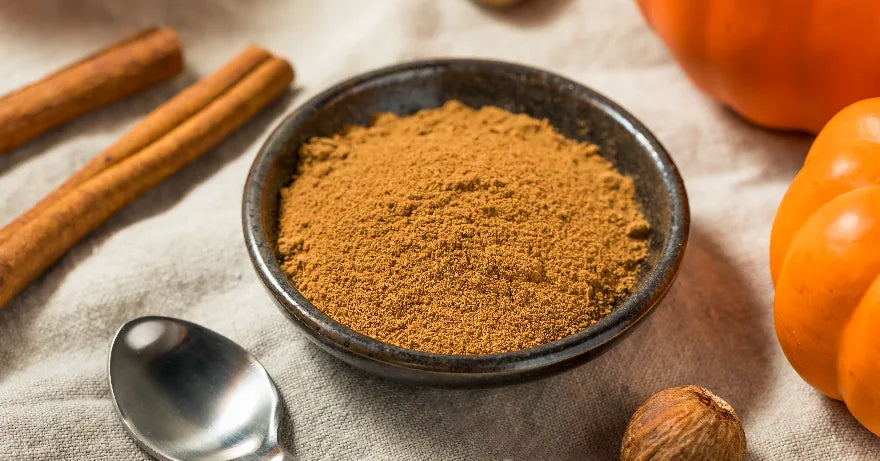
A solid malt base brings toast, caramel, bread, cocoa, or other deeper flavors. Pumpkin or winter squash can add subtle earthy character and body. Spices such as cinnamon, nutmeg, ginger, allspice, and clove create much of the aroma people immediately associate with the season.
The trick is knowing what each ingredient contributes — and not asking any one of them to do too much.
This guide breaks down three of the most useful ingredient groups for fall homebrewing: spices, squash, and specialty grains.
- Spices provide much of the familiar fall aroma. Cinnamon, nutmeg, ginger, allspice, and clove can work well, but they are easy to overdo.
- Pumpkin is usually more subtle than people expect. It can add body, color, and mild earthy sweetness, while malt and spice create much of the recognizable pumpkin-beer character.
- Specialty grains build malt depth. Depending on the grain, they can add caramel, toast, biscuit, chocolate, roast, color, and body.
- Follow the recipe in front of you. Ingredient amounts and addition timing vary, especially with spices and pumpkin.
What Makes a Beer Taste Like Fall?
There is no official rule that says a fall beer has to contain pumpkin, cinnamon, or anything else from the spice cabinet.
Plenty of seasonal beers get their autumn character almost entirely from malt. Toasted bread, caramel, biscuit, cocoa, nuts, and darker grain flavors naturally fit the season even without a single spice addition.
Others lean heavily into harvest ingredients.
The Beer Judge Certification Program recognizes Autumn Seasonal Beer as category 30B. These beers are built around a seasonal concept and may use pumpkin, other squash, warming spices, sugars, or other harvest-inspired ingredients. The important part is balance: the seasonal additions should support the beer rather than bury it.
That is a good rule for homebrewers too.
Start with a beer that tastes good on its own, then use the seasonal ingredients to take it somewhere new.
If you are still deciding what kind of beer to brew, our guide to choosing a fall beer style compares several good options.
Fall Spices: Big Flavor in Small Amounts
For many people, the smell of a pumpkin or holiday beer is what makes it immediately feel seasonal.
That usually comes from familiar baking spices.
Cinnamon
Cinnamon brings warm, sweet, woody aroma and pairs naturally with caramel and toasted malt character.
Nutmeg
Nutmeg adds warm, aromatic spice with a slightly earthy edge. It can become dominant quickly, so restraint matters.
Ginger
Ginger brings a brighter, sharper type of spice that can keep a blend from feeling too heavy or sweet.
Allspice
Despite the name, allspice is a single spice. Its flavor can remind people of cinnamon, clove, and nutmeg, which is why it fits naturally into fall spice blends.
Clove
Clove is intense. Even a relatively small amount can become one of the strongest aromas in the beer.
That does not mean every fall beer needs all five.
A tested recipe might use a prepared pumpkin-pie spice blend, a few individual spices, or something completely different. The goal is not to check every box. It is to create a balanced flavor that fits the beer underneath it.
For a deeper look at individual spices, see our guide to brewing beer with spices.
How Much Spice Should You Use?
This is one area where copying a random amount from another recipe can cause trouble.
Spices vary in strength. Freshly ground cinnamon does not behave exactly like an older jar from the pantry. Clove and nutmeg can become dominant much faster than some other additions. A porter can support a different spice level than a lighter amber ale.
That is why the easiest beginner rule is:
Use the amount specified by the tested recipe you are brewing.
As one example, Mr. Beer's Pumpkin Rising uses 1 tablespoon of pumpkin pie spice in a 2-gallon batch. Our broader pumpkin guidance recommends starting conservatively when developing your own recipe rather than assuming more spice means more fall flavor.
Once you have brewed the recipe and tasted the finished beer, you have a useful baseline for adjusting the next batch.
When Should You Add Spices?
There is no single correct answer.
Different recipes use spices at different stages of the brewing process, and changing the timing can change the result.
Some recipes include spices during the brewing process. Others add them later during fermentation. The exact method depends on the beer and the ingredients.
For example, the current Pumpkin Rising recipe adds its pumpkin and spice according to a specific fermentation schedule rather than simply throwing everything into a boil.
Follow the timing written for the specific recipe.
This is especially important with Mr. Beer recipes because a basic HME batch does not require you to boil the Hopped Malt Extract. Do not turn generic advice about “late-boil spices” into a reason to boil the HME itself.
Pumpkin and Winter Squash: More Subtle Than the Spice
Pumpkin beer sounds as though pumpkin should be the biggest flavor in the glass.
Usually, it is not.
Pumpkin tends to contribute a softer background character. Depending on the recipe and preparation, it may add body, color, mild earthy sweetness, and a rounder mouthfeel.
The unmistakable “pumpkin beer” impression usually comes from the combination of:
- A malt-forward base beer
- Pumpkin or another squash when the recipe uses it
- Seasonal baking spices
That is also why simply adding more pumpkin does not automatically create a stronger pumpkin flavor.
If you want to go deeper on the ingredient itself, read our complete guide to brewing with pumpkin.
Canned Pumpkin or Fresh Pumpkin?
Both can work, but canned pumpkin purée is usually the easier choice for a beginner.
| Option | What to Know |
|---|---|
| Plain canned pumpkin purée | Consistent, easy to measure, and requires very little preparation. |
| Fresh pumpkin or winter squash | Requires more preparation, but gives you more room to experiment with the finished character. Some recipes roast it first to develop deeper flavor. |
If you use canned pumpkin, choose plain pumpkin purée rather than pumpkin pie filling.
Pie filling usually contains added sugar, spices, and other ingredients that may not match the recipe you are brewing.
If the recipe calls for roasting or caramelizing the pumpkin first, follow those instructions. Heating the pumpkin can develop deeper roasted and caramelized flavors before it goes into the beer.
How Much Pumpkin Should You Add?
Again, the recipe should be your source of truth.
Mr. Beer's Pumpkin Rising uses 10 ounces of pumpkin purée in a 2-gallon batch, while our broader pumpkin-brewing guidance allows for somewhat different amounts depending on the recipe.
The important lesson is not the exact number.
More pumpkin does not automatically produce better pumpkin beer.
Too much can add extra sediment, thickness, and cleanup without giving you a proportional increase in pumpkin flavor.
Specialty Grains: Building the Malt Side of Fall
Spices may get the attention, but malt is often what keeps a seasonal beer tasting like beer instead of potpourri.
Specialty grains are one way to add more depth to an extract-based recipe.
Depending on the grain, small additions can contribute:
| Grain Character | What It Can Add |
|---|---|
| Crystal / caramel malts | Caramel, sweetness, body, and deeper color |
| Toasted or biscuit-like malts | Toast, bread crust, biscuit, and nutty character |
| Chocolate or darker roasted malts | Dark color, cocoa, coffee, and roasted flavors |
You do not need a giant grain bill to make a difference in a 2-gallon batch.
Mr. Beer recipes often use relatively small grain additions alongside an HME base. That lets you build more complexity without turning the brew into a full all-grain process.
One important detail: not every grain is used the same way. Some grains can be steeped, while others need to be mashed for their starches to convert properly.
If you are following a Mr. Beer recipe, use the method written in the instructions rather than assuming every grain bag gets the same treatment.
Our Steeping & Mashing Grains 101 guide explains the difference if you want to go deeper.
How Fall Ingredients Work Together
The best seasonal beers usually feel like one beer rather than several ingredients fighting for attention.
Think about the roles this way:
- The base beer sets the foundation. Amber ale, brown ale, porter, saison, stout, or another style gives you the structure.
- Specialty grains deepen the malt. They can move the beer toward caramel, toast, biscuit, chocolate, or roast.
- Pumpkin or squash adds supporting character. It may contribute body, mild sweetness, color, and harvest flavor.
- Spices provide the recognizable seasonal aroma. This is where restraint matters most.
None of those ingredients has to dominate.
In fact, the BJCP's Autumn Seasonal Beer guidelines specifically emphasize balance and integration. The special ingredients should support the base beer rather than overwhelm it.
Do Hops and Yeast Still Matter?
Absolutely.
A beer does not stop being beer just because pumpkin or cinnamon showed up.
Yeast affects fermentation character and how dry, fruity, clean, or expressive the finished beer tastes. Hops still provide bitterness, flavor, and aroma appropriate to the base beer.
The difference is that in many pumpkin and spiced seasonal beers, those ingredients play a supporting role rather than competing with the malt and seasonal additions.
But that is not a rule for every beer brewed in fall. Fresh-hop ales and IPAs can be every bit as seasonal as pumpkin beer, with hops taking center stage.
Choose the beer first. Then choose ingredients that make sense for that beer.
Using Fall Ingredients in a Mr. Beer Batch
The easiest way to experiment with seasonal ingredients is to begin with a recipe that has already done the balancing for you.
A basic Mr. Beer refill has about a 30-minute active brew day, but recipes that include pumpkin, specialty grains, hops, spices, fruit, or other additions can take longer.
That is okay.
The benefit of the 2-gallon format is that you can experiment without committing to a huge batch.
You might start with a tested pumpkin ale this season, take notes on what you liked, and make one small adjustment next time.
That is much easier to learn from than changing the pumpkin, grain bill, spice blend, yeast, and hop schedule all at once.
Beginner Mistakes to Avoid With Fall Ingredients
- Adding more spice because you cannot smell it yet. Spice character can change as the beer ferments and conditions. Follow the recipe before making adjustments.
- Using pumpkin pie filling instead of plain purée. The added sugar and spices can change the recipe.
- Assuming more pumpkin means more pumpkin flavor. Pumpkin is usually subtler than the malt and spice.
- Treating every grain the same. Some grains can be steeped; others need to be mashed.
- Applying generic spice timing to every recipe. Follow the instructions written for the beer you are brewing.
- Forgetting the base beer. Seasonal ingredients work best when there is already a balanced beer underneath them.
A Simple Fall Ingredient Cheat Sheet
| Ingredient | Main Contribution | Beginner Advice |
|---|---|---|
| Cinnamon, nutmeg, ginger, allspice, clove | Seasonal aroma and spice | Use measured amounts from a tested recipe |
| Pumpkin / winter squash | Body, mild earthy sweetness, color, harvest character | Use plain purée or properly prepared squash as directed |
| Crystal / caramel malt | Caramel, sweetness, body, color | Use the quantity and steeping method in the recipe |
| Toasted malts | Bread, toast, biscuit, nutty flavors | Check whether the grain should be steeped or mashed |
| Chocolate / roasted malt | Dark color, cocoa, coffee, roast | Small amounts can have a noticeable impact |
Ready to Brew Something Seasonal?
Start with a tested recipe, learn what each ingredient contributes, and let the next batch be where you experiment.
Frequently Asked Questions
Which spices are commonly used in fall beer?
Cinnamon, nutmeg, ginger, allspice, and clove are common in pumpkin and autumn seasonal beers. A recipe may use some or all of them, and the balance matters more than trying to include every spice.
How much spice should I add to a 2-gallon batch?
Follow the recipe you are brewing. Spice strength varies, and some ingredients such as clove and nutmeg can become dominant quickly. As one example, Mr. Beer's Pumpkin Rising uses 1 tablespoon of pumpkin pie spice for its 2-gallon batch.
Can I use canned pumpkin in homebrew?
Yes. Plain canned pumpkin purée is convenient and consistent. Avoid pumpkin pie filling unless the recipe specifically calls for it because pie filling already contains added sugar, spices, and other ingredients.
Does pumpkin make beer taste strongly like pumpkin?
Usually not by itself. Pumpkin tends to be subtle, contributing body, color, mild earthy sweetness, and harvest character. Much of the familiar pumpkin-beer impression comes from the malt base and seasonal spices used with it.
Do I need specialty grains to make a fall beer?
No. A good HME base can make a great seasonal beer on its own. Specialty grains are an optional way to add more caramel, toast, biscuit, chocolate, roast, body, or color when the recipe is designed to use them.
When should I add pumpkin or spices to my beer?
It depends on the recipe. Pumpkin and spices can be used at different stages, so follow the addition schedule written for the specific beer rather than applying one timing rule to every batch.


