

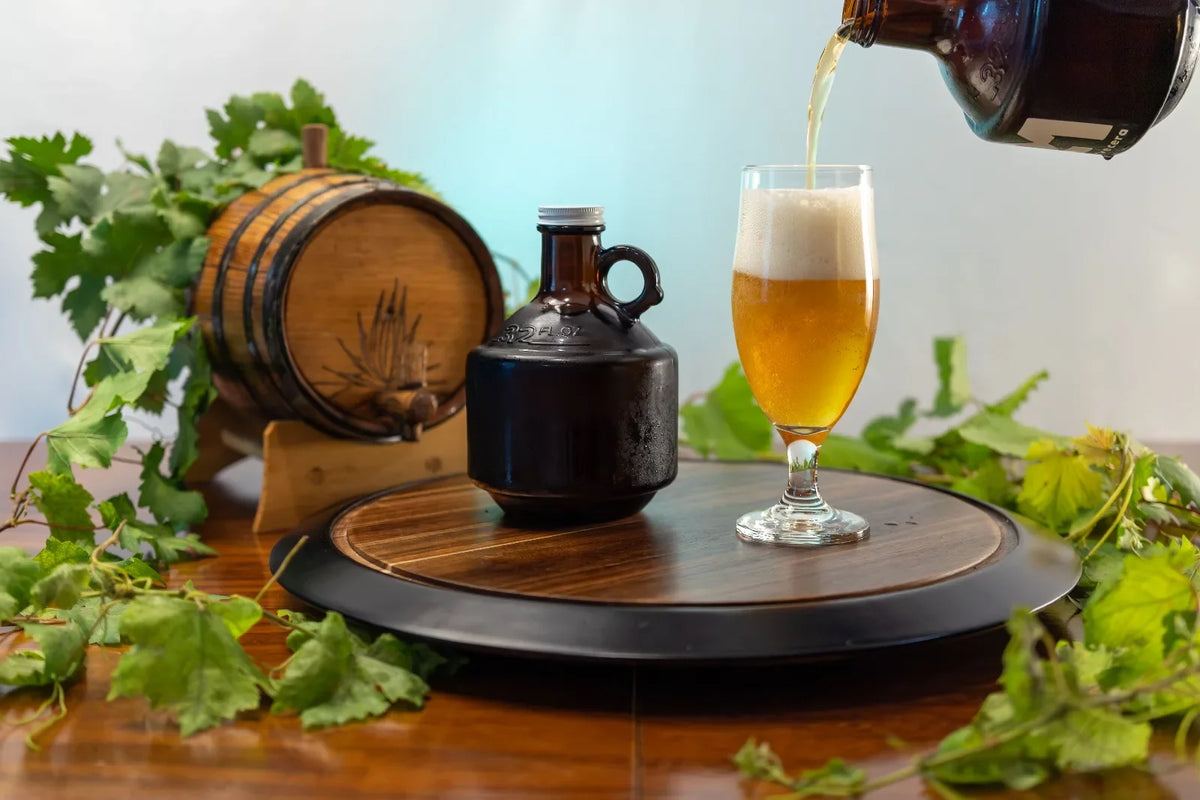
Hero photo by Joaquin Perez on Pexels
Fall gives homebrewers a lot of good options. You can go malty and easy-drinking with an amber ale, move darker with a porter or stout, lean all the way into the season with pumpkin beer, or take on a true lager like Märzen.
The question is not really which beer is the most fall. It is which fall beer fits what you like to drink, how involved you want brew day to be, and the fermentation conditions you can provide.
This guide compares eight fall-friendly beer styles so you can pick the right batch instead of just working your way through another list of autumn beers.
If you want the broader seasonal overview — including fall ingredients, brewing conditions, and planning a lineup — see our Fall Beer Brewing guide.
- Want the easiest seasonal transition? Brew an amber ale.
- Love toasted, nutty malt? Try a brown ale.
- Want darker beer without going huge? Brew a porter.
- Want roast, coffee, or chocolate character? Choose a stout.
- Want the full fall experience? Pumpkin or spiced ale is hard to beat.
- Want traditional Oktoberfest character? Märzen is the project.
- Love hops? Fresh-hop or wet-hop IPA makes the harvest the star.
- Want a richer lager for late fall? Consider a bock.
Fall Beer Styles Compared
Start here if you already know roughly what kind of beer you want.
| Style | Flavor Direction | Best Fit For | Main Consideration |
|---|---|---|---|
| Amber Ale | Malty, caramel-forward, balanced | Brewers who want an easy seasonal transition | Simple enough to keep the focus on basic process |
| Brown Ale | Toasty, nutty, lightly cocoa-like | Malt-focused beer drinkers | Flavor depends heavily on the specific recipe |
| Porter | Dark malt, caramel, chocolate, roast | Brewers ready to move into darker beer | Can range from smooth and approachable to rich and complex |
| Stout | Roasty, coffee-like, chocolatey | Drinkers who want pronounced dark-malt character | Stout covers a very wide range of strengths and styles |
| Pumpkin / Spiced Ale | Malt, baking spice, optional pumpkin | Brewers who want a signature seasonal beer | Extra ingredients and spice balance require attention |
| Märzen | Toasty, malty, smooth, clean | Oktoberfest fans and lager brewers | Requires appropriate lager fermentation conditions |
| Fresh-Hop / Wet-Hop IPA | Bright, harvest-driven hop aroma and flavor | Hop lovers with access to fresh hops | The ingredient window is short and seasonal |
| Bock | Rich, malty lager character | Brewers looking for a deeper late-fall lager | Lager fermentation and conditioning require more planning |
1. Amber Ale: Best All-Around Fall Starting Point
If you want a fall beer without making brew day much more complicated, amber ale is an easy place to start.
Amber ales bring more malt depth than a light lager or blonde ale while staying balanced and easy to drink. Depending on the recipe, you may find caramel, toasted malt, biscuit, light citrus hop character, or subtle sweetness.
That puts amber ale right in the middle of the fall spectrum: flavorful enough for cooler weather without moving all the way into porter or stout territory.
For Mr. Beer brewers, Bewitched Amber Ale is a straightforward way to explore the style with a simple HME-based brew day.
Choose amber ale if: You want a malt-forward beer that still feels approachable, or you are looking for a simple seasonal batch before trying more involved recipes.
2. Brown Ale: Best for Toasty, Nutty Malt Flavor
Brown ale sits one step deeper into fall.
The style can bring toasted bread, biscuit, caramel, cocoa, and subtle nutty character while remaining considerably lighter on its feet than many porters or stouts.
That makes brown ale especially useful when you want something clearly malt-driven without turning every pint into a heavy dessert beer.
It also pairs naturally with fall food: roasted meats, burgers, barbecue, nutty cheeses, mushrooms, and other savory dishes all work comfortably beside it.
If you want to start experimenting beyond a basic refill, brown ale recipes are also a good place to learn how specialty grains can change malt character.
Choose brown ale if: Toasted and nutty malt sounds better to you than either aggressive hops or heavy roast.
3. Porter: Best First Step Into Dark Beer
Porter is a great choice if you want a truly dark fall beer but do not necessarily want the sharper roast character associated with some stouts.
The style can range from smooth and moderately roasty to rich and layered, with flavors that may include caramel, chocolate, toast, coffee, and dark malt.
That range is part of the appeal. You can keep things relatively simple with something like an American Porter refill, or eventually move into recipes that build additional layers with specialty grains, extracts, chocolate, vanilla, or other ingredients.
Choose porter if: You like dark beer but still want malt smoothness and drinkability to stay at the center of the glass.
4. Stout: Best for Bigger Roast Character
Stout takes you further into roasted malt territory.
Depending on the specific style, stout can lean toward coffee, cocoa, roasted grain, caramel, creaminess, dryness, sweetness, or considerably bigger alcohol and body.
That is why “stout” is less of a single flavor than a broad family. A dry stout and an imperial stout can feel like completely different brewing projects even though both sit under the same dark-beer umbrella.
For fall, that gives you room to decide how far you want to go. A moderate stout can still be easy to drink around a fire or football game. A bigger stout can become a longer-conditioning project that carries well into winter.
Choose stout if: Roast, coffee, chocolate, and dark malt are what you want to taste first.
5. Pumpkin or Spiced Ale: Best for Maximum Fall Flavor
If you want your beer to announce the season before the first sip, pumpkin or spiced ale is the obvious choice.
But pumpkin beer does not have to taste like liquid pie.
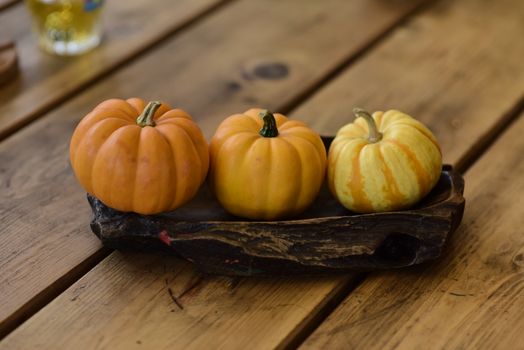
Some recipes use actual pumpkin or squash. Others get much of their recognizable fall character from baking spices such as cinnamon, nutmeg, allspice, or clove. The best versions keep those additions in balance with the beer underneath rather than letting the spice take over.
If you want to use actual pumpkin, our guide to brewing pumpkin beer at home goes deeper into the ingredient choices and process.
The key for a first spiced beer is simple: follow a tested recipe instead of assuming more spice equals more fall flavor.
Choose pumpkin or spiced ale if: You want a beer built specifically around autumn flavors and do not mind a few additional ingredients or steps.
6. Märzen: Best for Traditional Oktoberfest Character
Märzen is one of the beer styles most closely associated with fall, and it earns that reputation through malt rather than pumpkin or spice.
Expect a smooth lager built around toasted and bready malt character, balanced bitterness, and a clean finish.
The tradeoff is fermentation.
A true Märzen uses lager yeast, so you need to pay closer attention to fermentation temperature and conditioning than you would with a straightforward amber or brown ale.
If you are ready for that step, The King's Märzen is designed around W-34/70 lager yeast, Hallertau hops, and a malt-forward Oktoberfest profile.
If temperature control is the part making you hesitate, our guide to lagering beer without a dedicated fridge walks through practical options.
Choose Märzen if: You want a traditional malt-driven fall lager and are willing to give fermentation and conditioning more attention.
7. Fresh-Hop or Wet-Hop IPA: Best for Hop Lovers
Fall is not only about dark malt. It is also hop harvest season.
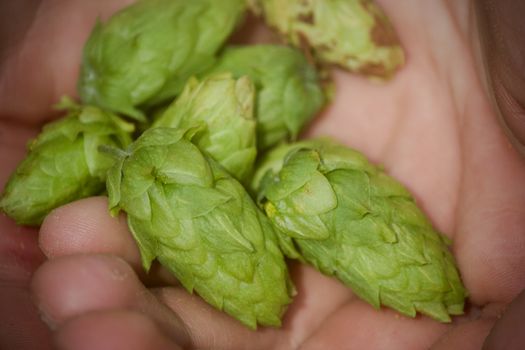
Fresh-hop and wet-hop beers celebrate that harvest by using hops very soon after they are picked rather than relying entirely on the dried, packaged hops available year-round.
The terminology can vary, but wet hops generally refers to freshly harvested hops used before they have been dried or kilned. Fresh-hop is often used more broadly for beers made with hops used very close to harvest.
The result can showcase bright, green, vivid hop character that feels different from a standard IPA brewed entirely with dried pellets.
The limitation is access. This is a truly seasonal ingredient, so the beer makes the most sense when you can get fresh hops and brew with them promptly.
Choose a fresh-hop or wet-hop IPA if: Hops are the reason you brew and you have access to freshly harvested cones.
8. Bock: Best for a Richer Late-Fall Lager
Bock is not as closely tied to Oktoberfest as Märzen, but it fits beautifully once fall starts moving toward winter.
Traditional bock is built around rich malt character with a clean lager fermentation profile. It is generally more substantial than a Festbier or Märzen, making it a good choice when you want something deeper without moving into roasted porter or stout territory.
Like Märzen, though, bock is still a lager project. Follow the fermentation requirements for the specific yeast and recipe rather than treating it like an ale simply because the weather has cooled down.
Choose bock if: You already enjoy malt-forward lagers and want a richer beer that can bridge late fall into winter.
Which Fall Beer Style Is Right for You?
If you are still staring at the list, narrow the decision by what you want from the finished beer.
| If You Want... | Start With... |
|---|---|
| A simple, balanced fall beer | Amber Ale |
| Toasty and nutty malt | Brown Ale |
| Smooth dark malt | Porter |
| Roast, coffee, or chocolate | Stout |
| Classic pumpkin-spice season | Pumpkin / Spiced Ale |
| Traditional Oktoberfest lager character | Märzen |
| Fresh harvest hop character | Fresh-Hop / Wet-Hop IPA |
| A richer malt-forward lager | Bock |
Do Not Choose a Fall Beer Just Because It Is Fall
Seasonal brewing should make homebrewing more fun, not turn into another set of rules.
You do not have to drink stout because the temperature dropped below 70°F. You do not have to brew pumpkin beer in October. And there is absolutely nothing wrong with opening a pale ale while everyone else is talking about cinnamon and Märzen.
The better way to use the season is as an excuse to explore something you already think sounds good.
If cooler weather makes you want more malt, brew the brown ale. If hop harvest has you excited, chase fresh hops. If you have wanted to try a true lager, give Märzen a shot.
That is a much better brewing plan than picking a beer because somebody declared it mandatory for October.
Plan Around When You Want to Drink It
The style you choose also affects when you should brew it.
A basic Mr. Beer refill can have a relatively short and simple brew day, while recipes with grain steeps, hop additions, pumpkin, specialty ingredients, or true lager fermentation require more time or attention.
Lagers also deserve extra planning because cooler fermentation and additional conditioning can extend the timeline.
The practical rule is simple: work backward from when you want to drink the beer.
If you want Märzen ready for an Oktoberfest party, start early. If you want a pumpkin ale for Halloween, give yourself enough time for fermentation, carbonation, and conditioning instead of brewing it the weekend before.
Your recipe should always determine the actual schedule.
Start With the Beer You Actually Want to Drink
There is no single best fall beer style.
There is only the beer that fits your taste, your brewing setup, and how much complexity you want to take on with the next batch.
If you want to keep things simple, amber ale is hard to argue with. If you want an unmistakably seasonal project, pumpkin ale gives you one. If you want to develop your lager skills, Märzen is waiting.
And if you still cannot decide, that sounds like a pretty good excuse to brew more than one.
Pick Your Fall Brew
Keep it simple with a malt-forward amber ale or take on a traditional lager project with The King's Märzen.
Frequently Asked Questions
Which fall beer style is easiest for a beginner to brew?
A straightforward amber ale is a good place to start because it can deliver plenty of seasonal malt character without requiring lager fermentation or the extra ingredients found in many pumpkin and specialty recipes. The exact difficulty still depends on the recipe you choose.
What is the best fall beer for someone who likes dark beer?
Start with porter if you want smooth dark-malt, chocolate, caramel, and roast character. Choose stout if you want roast, coffee, or cocoa character to be more prominent. Both styles cover a wide range, so check the individual recipe profile before choosing.
Do I need real pumpkin to make pumpkin beer?
Not necessarily. Some pumpkin beers use actual pumpkin or squash, while others get much of their recognizable seasonal character from malt and baking spices. Follow the recipe you are brewing instead of assuming pumpkin must be added to every pumpkin-style beer.
Can I brew Märzen without a dedicated fermentation fridge?
Yes, if you can keep fermentation within the temperature range required by the yeast and recipe. Coolers, water baths, frozen water bottles, naturally cool spaces, and a household refrigerator for later cold conditioning can all be useful depending on your setup.
What is the difference between fresh-hop and wet-hop beer?
Wet-hop generally refers to beer made with freshly harvested hop cones that have not been dried or kilned. Fresh-hop is sometimes used more broadly for beer brewed with hops used very close to harvest. In either case, the goal is to showcase hop character tied directly to the harvest season.
When should I start brewing beer for fall?
Work backward from when you want to serve the beer and follow the timeline for the specific recipe. Allow enough time for fermentation, carbonation, and conditioning, and start lager styles earlier when their fermentation or conditioning schedule requires additional time.
Related Fall Brewing Guides
- Fall Beer Brewing: Styles, Flavors & Homebrew Tips
- 5 Autumn Beer Styles You Can Brew at Home This Season
- How to Brew Pumpkin Beer at Home
- How to Lager Beer Without a Dedicated Fridge
- Oktoberfest Food and Beer Pairing Guide


