

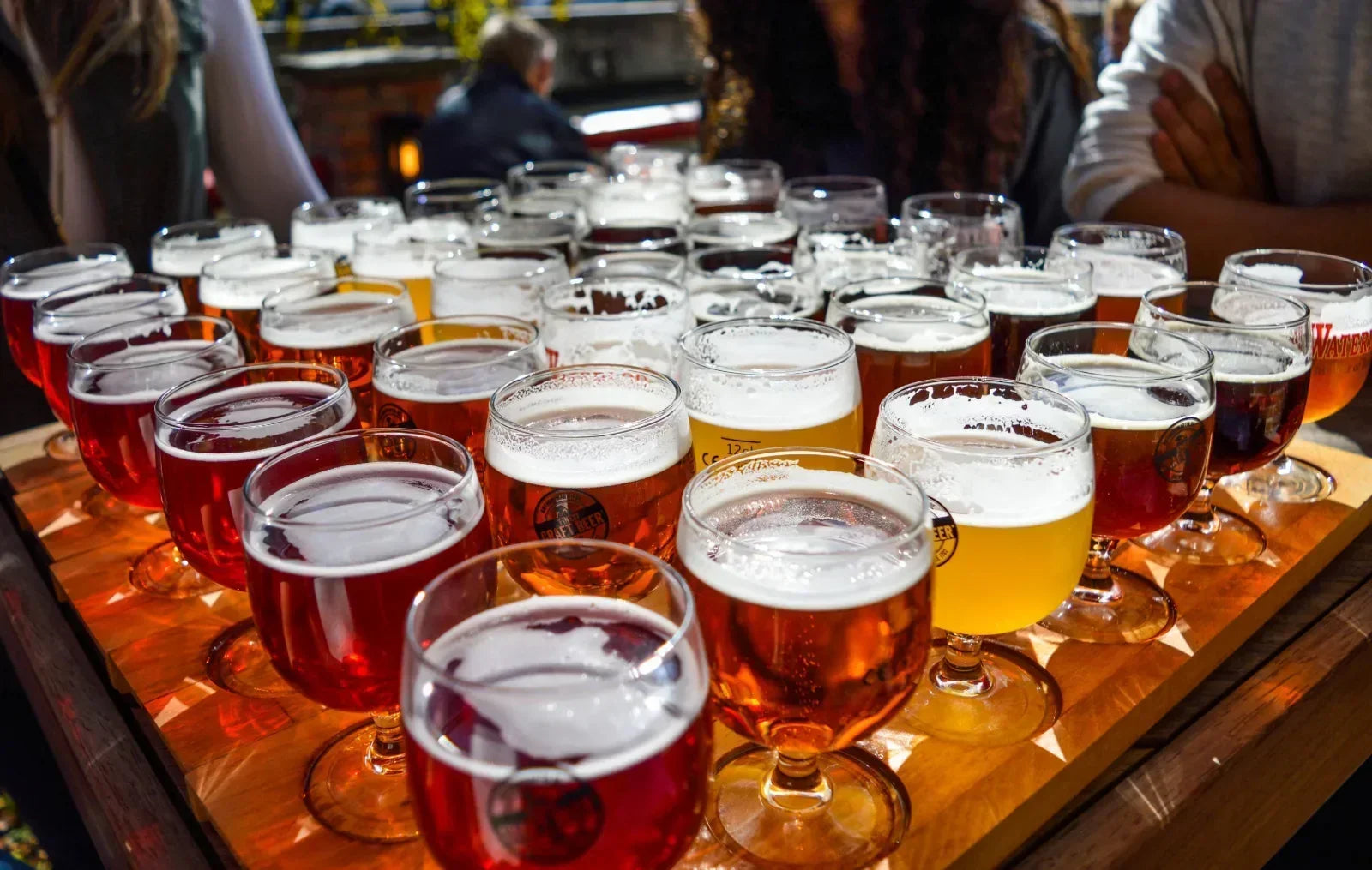
The first stretch of cooler weather has a way of changing what sounds good in the glass. Crisp summer beers start giving way to toasted malt, amber color, darker styles, seasonal spices, and beers built for cool evenings, game days, and fall get-togethers.
That is what makes fall such a fun season for homebrewers. There is no single “fall beer” style. You can brew an Oktoberfest-style lager, a malty brown ale, a pumpkin beer, a porter, a fresh-hop ale, or something completely different as long as it fits the season and, more importantly, sounds good to you.
This guide covers some of the best beer styles for fall, the flavors that make them feel seasonal, and a few practical tips for planning your autumn brew days.
Why Fall Is a Great Time to Brew Beer
Fall brewing is less about following an old rule and more about having a lot of good reasons to start another batch.
The weather is cooling down, football and tailgating season is underway, holiday gatherings are approaching, and malt-forward beer styles begin to feel especially at home. It is also a good time to start thinking a few weeks ahead. The beer you want to pour in October or November needs to go into the fermenter well before the party starts.
For homebrewers, that makes fall a natural season for variety. You can keep lighter beers in rotation for warm afternoons while starting richer, darker, or more seasonal batches for the cooler weeks ahead.
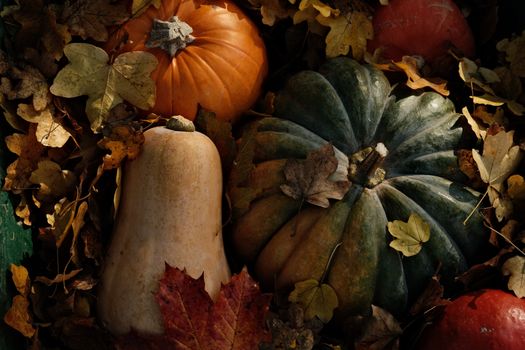
Classic Fall Beer Styles to Brew at Home
There is no official category called “fall beer.” Instead, autumn tends to bring a collection of styles and flavor profiles that work especially well with cooler weather, hearty food, and seasonal occasions.
Some lean heavily into toasted malt. Others use pumpkin, baking spices, fresh hops, or expressive yeast character. The best choice is the one that fits what you actually enjoy drinking.
Pumpkin Ales and Spiced Autumn Brews
Pumpkin beer may be the most recognizable sign that fall brewing season has arrived.
Some pumpkin ales use actual pumpkin, while others get much of their seasonal character from the spices we associate with pumpkin pie. Cinnamon, nutmeg, allspice, and clove can all work, but they should support the beer rather than take it over.
The easiest way to ruin a spiced beer is to assume more spice means more fall flavor. Clove and nutmeg in particular can become dominant quickly. If you are brewing with pumpkin or baking spices, follow a tested recipe and resist the temptation to freestyle large additions on your first attempt.
If pumpkin beer is what you have in mind, our guide to brewing pumpkin beer at home goes deeper into pumpkin choices, spice character, and how to approach a seasonal recipe.
Oktoberfest-Style Beers and Märzen
Few beer styles fit fall better than Oktoberfest-style lager and Märzen.
These beers are built around malt, with flavors that can lean toward toasted bread, biscuit, caramel, and a smooth, rounded finish. They work especially well with sausages, pretzels, roasted meats, and other foods that start showing up more often as the weather cools.
Traditional Märzen is a lager, but homebrewing methods vary. Always follow the fermentation temperature and conditioning instructions for the specific refill or recipe you are using rather than applying generic lager advice to every Oktoberfest-style beer.
If this is the direction you want to go, take a look at the Oktoberfest Lager Standard Refill or the more involved The King's Märzen Oktoberfest Lager Recipe.
Brown Ales, Porters, and Stouts
As fall moves toward cooler evenings, malt-forward darker beers become an easy fit.
Brown ales often bring flavors such as caramel, toast, biscuit, nuts, or cocoa. Porters and stouts can move deeper into roasted malt character with notes of coffee, chocolate, dark caramel, or toast depending on the beer.
These styles also pair naturally with barbecue, roasted foods, grilled meats, chili, and richer fall meals.
If you are still learning the differences between darker beer styles, our beginner's guide to dark beer is a good place to start.
Fresh-Hop and Harvest-Season Beers
Not every fall beer needs to be dark or malt-heavy.
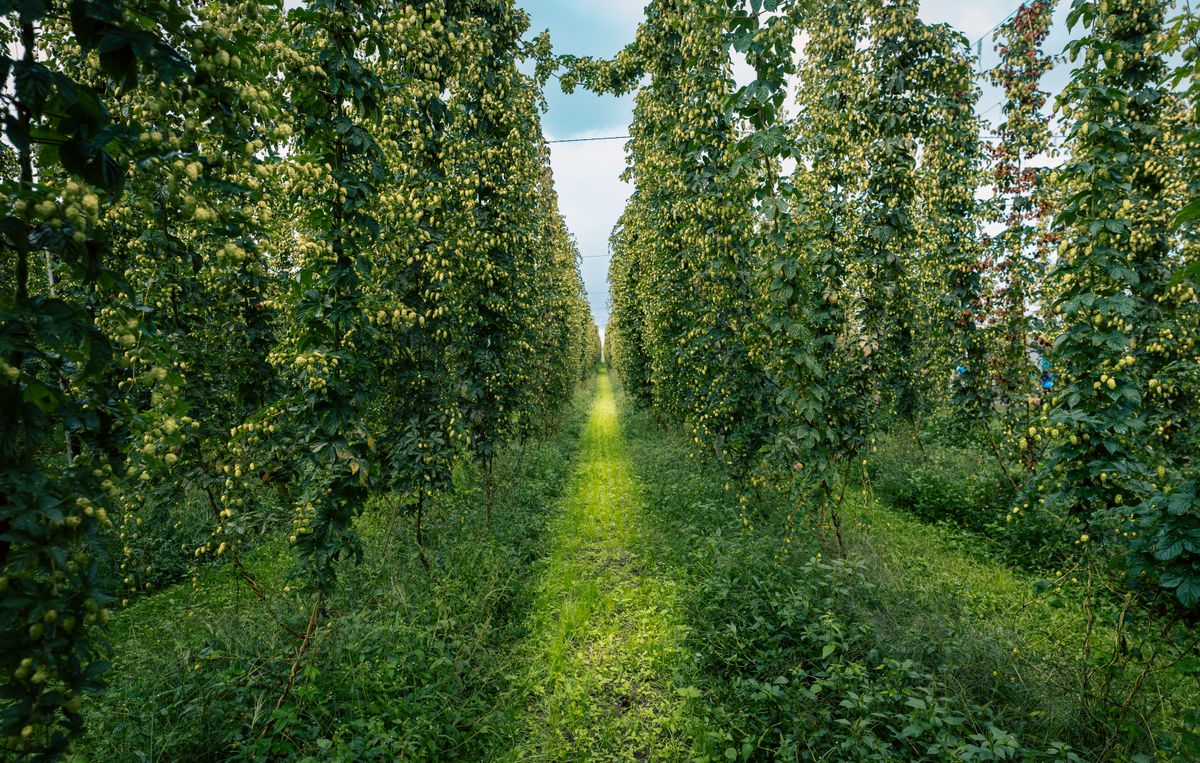
Hop harvest season also gives autumn a completely different kind of seasonal beer: fresh-hop or wet-hop ales. These beers use freshly harvested hops soon after picking, creating a hop character that can feel grassy, floral, herbal, citrusy, or intensely fresh depending on the variety.
They are a good reminder that fall brewing is not limited to pumpkin spice and amber lager. If you prefer hop-forward beer, there is still plenty of room in the season for something bright and aromatic.
Saisons and Transitional Fall Beers
Saison can also work well during the transition from summer into fall.
Depending on the yeast and recipe, saisons can be dry, fruity, peppery, earthy, or lightly spicy. That makes them especially useful for early fall when the afternoons are still warm but you are ready for something with a little more character than a straightforward summer beer.
Because much of the flavor comes from the yeast, fermentation temperature matters. Follow the range recommended for the specific yeast or recipe rather than assuming warmer or cooler is automatically better.
Fall Flavors That Show Up in the Glass
A beer does not need pumpkin or cinnamon to taste appropriate for fall.
Much of the seasonal character people associate with autumn beer comes from malt. Toasted, caramel, biscuit, bread crust, cocoa, coffee, and roasted flavors naturally feel at home when the weather cools.
Spices can add another layer, but they work best when there is already a solid beer underneath them. Cinnamon, nutmeg, allspice, clove, vanilla, maple, or other seasonal additions should complement the base beer rather than make the finished batch taste like a spice cabinet.
Hop character depends on the style. In an Oktoberfest-style beer or brown ale, hops usually stay in a supporting role. In a fresh-hop ale, they may be the entire point.
Yeast matters too. Some strains create fruity or spicy character that fits naturally into seasonal beers, while cleaner strains allow the malt or hops to stand out more clearly.
Practical Tips for Brewing Fall Beer at Home
- Choose the beer before the seasonal ingredient. Start with a base style you already like, then decide whether pumpkin, spice, extra malt character, or another fall addition actually improves it.
- Let malt lead when the style calls for it. Oktoberfest-style beers, brown ales, porters, and many other fall favorites are built around malt character. Choose a malt-forward refill or recipe instead of trying to force every beer into a heavily spiced profile.
- Match hops to the style. Malt-forward fall beers usually call for restraint, while fresh-hop ales intentionally put hop aroma and flavor front and center.
- Use spice carefully. Cinnamon, nutmeg, allspice, and especially clove can become overwhelming quickly. Follow a tested recipe and make conservative additions rather than trying to correct an under-spiced beer by dumping in more.
- Follow the fermentation range for the recipe. Do not rely on “room temperature” or assume cooler is always better. The right temperature depends on the yeast and beer you are brewing.
- Give the beer enough time. Basic Mr. Beer refills still need several weeks for fermentation, carbonation, and conditioning. More involved recipes or traditional lager-style processes may require additional time.
- Work backward from the occasion. If you want a beer ready for Halloween, Thanksgiving, a football weekend, or another fall gathering, check the recipe timeline before choosing your brew day.
- Keep the fundamentals consistent. Good sanitation and steady fermentation conditions matter just as much in a seasonal beer as they do in any other batch. Our guide to avoiding common homebrew off-flavors covers the biggest trouble spots.
Plan Your Fall Brewing Lineup
You do not have to pick one “fall beer” and stick with it for the entire season.
A better approach is to think of autumn as a progression.
- Early fall: Pale ales, saisons, wheat beers, crisp lagers, and fresh-hop beers
- Mid-fall: Oktoberfest-style lagers, Märzen, amber ales, pumpkin beers, and brown ales
- Late fall: Brown ales, porters, stouts, and other fuller, malt-forward beers
That gives you a reason to keep brewing while the season changes instead of trying to make one batch cover everything from September heat to Thanksgiving dinner.
If game day is part of your fall calendar, our guide to what to brew for tailgating season has more ideas for pairing beer styles with burgers, wings, brats, barbecue, and other tailgate staples.
Frequently Asked Questions
What makes a beer a fall beer?
“Fall beer” is not an official beer style. It is a seasonal way of describing beers that feel especially suited to autumn. Oktoberfest-style lagers, Märzen, brown ales, pumpkin beers, porters, stouts, fresh-hop ales, and saisons can all fit depending on the flavor profile and occasion.
How do I keep spices from overpowering a fall beer?
Start with a tested recipe and use spice conservatively. Cinnamon, nutmeg, allspice, and clove can become dominant quickly, especially when several are combined. The goal is usually to complement the malt and beer character rather than make the spice the only thing you can taste.
Which fall beer styles are good for beginner homebrewers?
Simple brown ale, amber ale, and porter recipes can be approachable starting points because they can deliver plenty of seasonal malt character without requiring a complicated brew day. Pumpkin beers can also work for beginners when you follow a tested recipe, but pumpkin and spice additions may add extra steps. Always judge difficulty by the actual recipe instructions rather than the beer style name alone.
When should I brew fall beer so it is ready for autumn?
Work backward from when you want to drink it. Basic Mr. Beer batches generally need several weeks for fermentation, carbonation, and conditioning, while more involved recipes or traditional lager-style beers may need additional time. Check the specific instructions for your refill or recipe before setting your brew date.
Do fall beers have to be dark or high in alcohol?
No. Fall beers can range from crisp lagers and saisons to amber ales, pumpkin beers, porters, and stouts. Seasonal character comes from the overall style, flavor profile, and occasion, not from a required color or alcohol level.
Brew Something That Fits the Season
Fall brewing does not have to mean putting pumpkin spice into everything.
It can mean a smooth Oktoberfest-style lager for game day, a brown ale for a cool evening, a fresh-hop beer during harvest season, or a pumpkin recipe because you have been waiting all year to brew one.
Pick a style you actually want to drink, give yourself enough time before the occasion, and let the season give you an excuse to start the next batch.


