

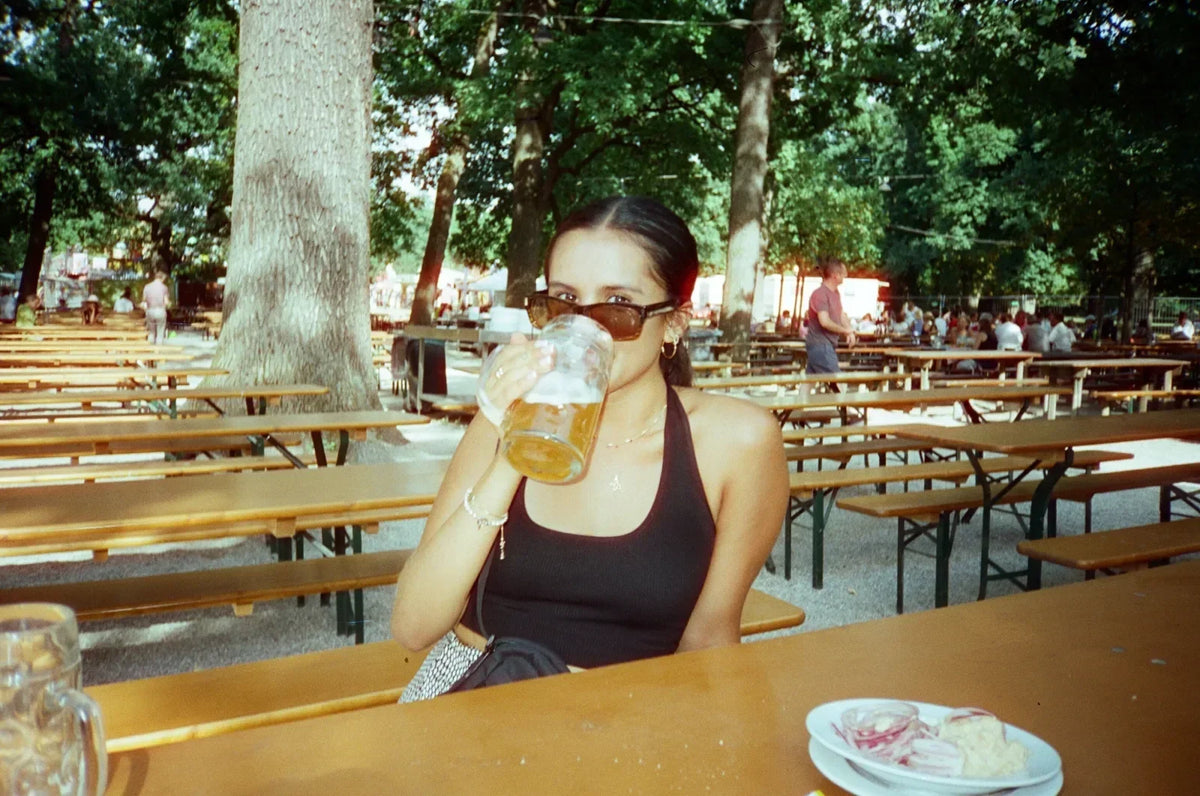
Bavarian beer is more than a list of styles.
It is Helles poured under chestnut trees in a Munich beer garden. Weissbier with a late-morning meal. Long communal tables where strangers sit together. Smoky lager from Bamberg. Strong beer when the weather is still cold. And, once a year, millions of people gathering on Munich's Theresienwiese for a festival that started with a royal wedding more than two centuries ago.
That culture is what makes Bavaria different from simply saying “German beer.” The region's beer traditions grew around climate, food, local ingredients, brewing laws, storage methods, festivals, and the simple idea that beer is meant to be enjoyed with other people.
If you're mainly trying to decide which German style to brew, see our guide to choosing a German beer style. Here, we're taking a different trip: why Bavarian beer culture looks the way it does, and what a homebrewer can borrow from it.
This guide is intended for adults age 21 and older.
- Munich is only part of the story. Bavaria also includes Franconian brewing traditions, including Bamberg's famous smoked beer.
- Beer gardens grew out of beer storage. Brewers used cool cellars and shade trees to protect lager through the warmer months.
- Helles and Weissbier are everyday Bavarian classics. Oktoberfest beer is only one piece of the culture.
- Oktoberfest started as a celebration, not a beer festival. Beer tents became part of the tradition as the event grew.
- Bavarian brewing is regional. Munich, Bamberg, and other areas developed their own beer traditions.
- Homebrewers can borrow the philosophy. Brew with purpose, respect the process, pair beer with food, and make something you actually want to share.
Bavaria Is Not Just Oktoberfest
Ask someone to picture Bavarian beer and the first image is probably a one-liter mug in a crowded Oktoberfest tent.
Fair enough. Oktoberfest is one of the most recognizable beer celebrations on the planet.
But it represents a few weeks of a beer culture that runs all year.
In Munich, pale Helles is part of everyday drinking culture. Wheat beer has a long Bavarian identity of its own. Dark lagers such as Dunkel predate the modern obsession with pale beer. Stronger Bock-style beers have their own seasonal traditions. Farther north in Franconia, brewing culture takes on another personality, with smaller breweries, cellar beer, and the smoke-malt tradition associated with Bamberg.
In other words, there isn't one “Bavarian beer.”
There is a collection of regional traditions that happen to share a very serious affection for malt, hops, yeast, water, food, and a good place to sit down.
The Beer Garden Started With a Cellar
One of Bavaria's most famous beer traditions exists because brewers needed somewhere cold to keep their lager.
Before mechanical refrigeration, Munich brewers stored beer in deep cellars during the warmer months. Shade mattered, so chestnut trees were planted above many of those cellars. Their broad canopies helped keep the ground cool, while their relatively shallow roots were well suited to the cellar structures beneath them.
Tables and benches followed.
Eventually people were not simply collecting beer from the brewery cellar. They were sitting above it, drinking together under the trees.
The Biergarten was born.
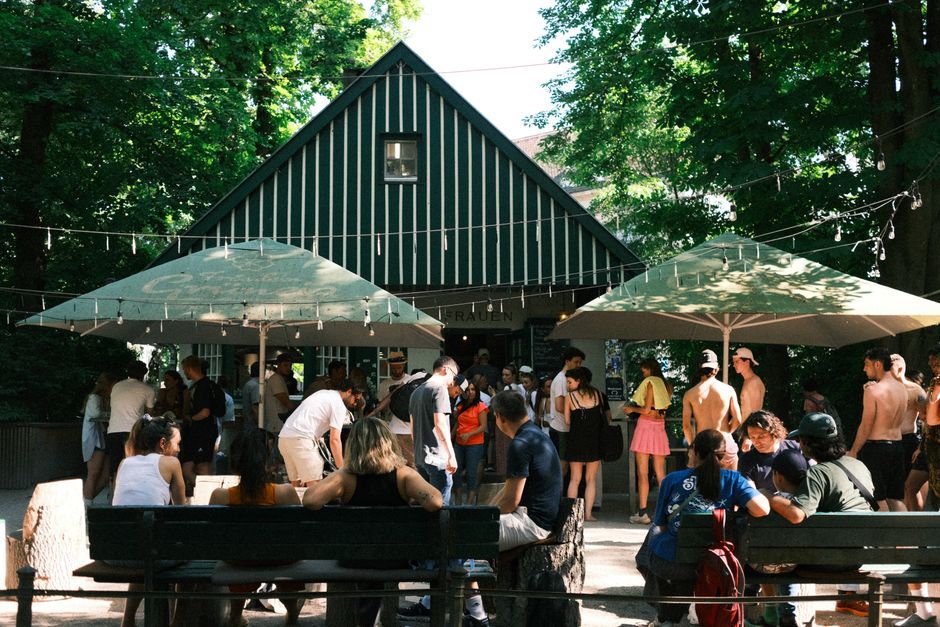
One of the best surviving pieces of that history is the custom of bringing your own food — your Brotzeit — to a traditional beer garden while buying the beer there.
That detail says a lot about Bavarian beer culture. The beer garden is not merely a bar with trees. It is a social space.
Long tables are shared. Food comes out. Beer arrives. Nobody needs a tasting flight and a scorecard to justify being there.
Homebrewer takeaway: not every beer needs to be the loudest beer you've ever made. There is a lot to be said for brewing something balanced enough that people want another glass with dinner.
Helles: The Everyday Side of Bavarian Beer
Helles does not have the theatrical personality of Rauchbier or the worldwide branding power of Oktoberfest.
That is part of its appeal.
Munich Helles is a pale lager built around smooth malt flavor, restrained bitterness, and clean drinkability. It was developed in Munich during the late 19th century as Bavarian brewers responded to the growing popularity of pale lager.
Today it represents a side of Bavarian beer culture tourists sometimes miss: beer as an ordinary part of a meal, conversation, or afternoon rather than a special event.
That does not mean Helles is simple to make well. Subtle beers leave fewer intense flavors to distract from fermentation or process problems.
But culturally, its job is beautifully simple:
Be good enough that nobody has to think very hard about ordering another one.
Weissbier: Bavaria's Famous Ale Tradition
Bavarian brewing may be famous for lager, but Weissbier is one of the region's defining beers — and it is an ale.
Classic Bavarian wheat beer combines a large wheat component with expressive top-fermenting yeast. That yeast can produce the recognizable fruity and spicy character commonly described as banana and clove.
Those flavors are not coming from fruit or a spice cabinet. They are fermentation character.
Weissbier also has a strong connection to Bavarian food culture. It is comfortable at the table, particularly alongside lighter sausages, pretzels, breakfast-style foods, and other regional staples.
For homebrewers, it is one of the best examples of how much yeast can define a beer. Change the fermentation profile and you can change the personality of the glass without turning the recipe into an ingredient arms race.
Want to brew in that direction? The Bavarian Weissbier Standard Refill offers a straightforward wheat-style starting point, while Ice-Clear WeissBier takes the idea further with additional grains, Hallertau hops, wheat yeast, and a cold-crash step.
Oktoberfest Started With a Wedding
Oktoberfest was not created because Munich needed an excuse to sell more beer.
The first festival took place in 1810 to celebrate the marriage of Bavarian Crown Prince Ludwig — later King Ludwig I — and Princess Therese of Saxony-Hildburghausen.
The celebration ended with a horse race on a meadow outside Munich. The site was named Theresienwiese in honor of the bride, a name it still carries today.
People liked the celebration enough to do it again.
And again.
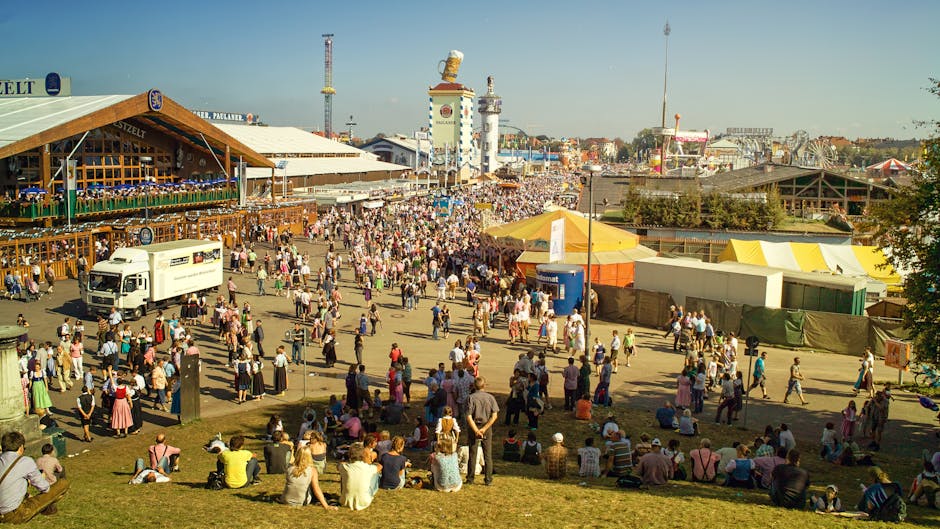
Over time, the agricultural show and folk festival evolved. Rides appeared. Beer vendors became more established. Temporary beer halls grew larger. Eventually the festival became the enormous international event now simply called the Wiesn by locals.
Märzen vs. Modern Festbier
This is where beer history gets especially interesting.
Amber Märzen became strongly associated with Oktoberfest during the 19th and 20th centuries. But the beer served at the modern Munich festival shifted toward a paler, smoother, highly drinkable golden Festbier.
That is why an American brewery's “Oktoberfest” may look deep amber while a beer poured at the actual Munich Oktoberfest may be much paler.
Both connect to Oktoberfest tradition. They just represent different points in its evolution.
For a deeper look at the festival and the beer behind it, read our Oktoberfest and Märzen brewing guide.
Munich Isn't All of Bavaria: Head North to Franconia
Bavaria is bigger and more varied than Munich.
Franconia, in northern Bavaria, has one of Europe's richest local brewing traditions. Towns and villages throughout the region have long supported small breweries, beer cellars, and highly local beer identities.
Bamberg is the most famous example.
There, Rauchbier — smoked beer — remains part of the city's brewing identity.
Why Does Rauchbier Taste Smoky?
Before indirect kilning became standard, drying malt over direct fire could expose the grain to smoke. Modern smoked malt intentionally preserves that character.
Classic Bamberg Rauchbier uses smoked malt as a defining ingredient, often in a beer with Märzen-like malt structure beneath it.
Done well, the smoke belongs there. It is integrated with the malt rather than tasting like someone dropped a campfire into the fermenter.
It is also the kind of beer that reminds homebrewers why small batches are useful.
If you've never had smoked beer before, two gallons is a considerably friendlier experiment than discovering halfway through five gallons that you apparently do not enjoy drinking ham. 😄
Kellerbier: Beer Before It Became Polished
Another Franconian tradition worth knowing is Kellerbier — literally “cellar beer.”
The term can cover some regional variation, but the basic idea is beer served with less emphasis on perfect clarity and long industrial-style stabilization. Traditional examples may be naturally conditioned, relatively fresh, and connected closely to the cellar or brewery serving them.
That makes Kellerbier interesting culturally because it feels less like a beer designed for shipping and shelf presentation and more like a beer tied to a place.
For a homebrewer, there is something appealing about that idea.
Not every batch needs to mimic the polished sameness of a commercial six-pack. Sometimes the beer coming from your own fermenter is special precisely because it was brewed there.
Bock and Starkbier: Bavaria's Stronger Side
Bavarian beer culture also has room for bigger beer.
Bock and Doppelbock bring richer malt, more body, and higher strength than everyday Helles or Weissbier. In Munich, strong beer also has a seasonal cultural connection through Starkbierzeit — strong-beer season.
Historically, these beers are associated with colder months and monastic brewing traditions, which is why Doppelbock is sometimes described as “liquid bread.”
For homebrewers, the lesson isn't that strong beer is automatically “advanced.”
It is that higher-gravity beer may ask more from the process: healthy fermentation, enough yeast, appropriate conditioning time, and patience before deciding what the finished beer really tastes like.
The Reinheitsgebot Is Part History, Part Symbol
You cannot talk about Bavarian brewing for long without encountering the Reinheitsgebot.
The famous 1516 Bavarian brewing ordinance is one of the most enduring symbols attached to German beer. Its historical purpose and later interpretation are more complicated than the modern slogan sometimes suggests, but its cultural legacy is undeniable.
For a fuller look at what the law actually said and how it evolved, read What Is the Reinheitsgebot?
For today's homebrewer, the useful idea is not that every beer must obey a 500-year-old rule.
It is the reminder that simple ingredients can still create tremendous variety.
Change the malt. Change the hop balance. Change the yeast. Change the fermentation. Change the conditioning.
The ingredient list may remain short while the beer becomes completely different.
Bavarian Beer Belongs at the Table
One reason Bavarian beer culture feels different from modern “beer geek” culture is how naturally beer and food live together.
| Beer | Try It With | Why It Works |
|---|---|---|
| Helles | Pretzels, roast chicken, mild sausage | Soft malt and a clean finish stay out of the food's way |
| Weissbier | Weisswurst, lighter sausage, bread, brunch-style foods | Wheat softness, carbonation, and yeast character keep the pairing lively |
| Märzen | Bratwurst, pork, roasted meats | Toasty malt complements browning and savory flavors |
| Dunkel | Roast pork, grilled sausage, mushroom dishes | Bread-crust malt mirrors roasted and browned flavors |
| Rauchbier | Smoked or grilled meat | The smoke connects directly with char and smoked food |
You do not need lederhosen or a brass band to borrow that philosophy.
Brew beer that belongs with dinner.
Put it on the table.
Share it.
What Bavarian Beer Culture Can Teach a Homebrewer
Bring a Little Bavaria Into Your Home Brewery
You do not have to recreate a historic Munich brewery to explore Bavarian-inspired beer.
Start with the part of the culture that sounds good to you.
A smooth, refreshing wheat-style beer and an easy place to explore Bavaria's wheat-beer tradition.
Brew Bavarian Weissbier →A smooth, malty amber beer inspired by the fall festival tradition, available as a complete brewing kit.
Brew Oktoberfest Lager →A more traditional lager project using W-34/70 yeast, cooler fermentation, and extra conditioning for a rich Märzen-style result.
Brew The King's Märzen →A dark, malt-forward lager recipe with Munich malt, Hallertau hops, light chocolate character, and W-34/70 yeast.
Brew Duke's Desert Dunkel →Want more options? Browse Mr. Beer recipes and look for a batch whose flavor and brewing process match what you want to explore next.
Frequently Asked Questions About Bavarian Beer Culture
What beer is Bavaria best known for?
Bavaria is associated with several major traditions rather than one beer. Munich Helles, Weissbier, Dunkel, Märzen, Festbier, Bock, and Franconian styles such as Rauchbier and Kellerbier are all important parts of Bavarian brewing culture.
Why do Bavarian beer gardens have chestnut trees?
Traditional Munich beer gardens developed above lagering cellars. Chestnut trees provided shade that helped keep the ground and cellars cooler, while their shallow roots were well suited to the underground structures.
Can you really bring your own food to a Bavarian beer garden?
At traditional Bavarian beer gardens, bringing your own Brotzeit remains part of the culture. Exact rules vary by venue and seating area, so follow the policy of the beer garden you're visiting.
Did Oktoberfest always serve Märzen?
No. Oktoberfest began in 1810 as a royal wedding celebration, and its beer traditions evolved over time. Amber Märzen became closely associated with the festival, while modern Munich Oktoberfest beer is generally a paler golden Festbier.
Is Weissbier a lager?
No. Traditional Weissbier is a top-fermented wheat beer, which makes it an ale. Its distinctive banana-like and clove-like fermentation character comes largely from the wheat-beer yeast.
What is Rauchbier?
Rauchbier means smoked beer. Bamberg in Franconia is especially associated with the style, which uses smoked malt to create a distinctive smoke character integrated with the underlying beer.
What Bavarian beer should I brew first?
Choose based on the beer you enjoy and the requirements of the actual recipe. Bavarian Weissbier, Oktoberfest-style beer, Märzen, and Dunkel can all make rewarding homebrew projects, but yeast choice, fermentation temperature, added brewing steps, and conditioning time matter more than the style name alone.
Bavarian Beer Culture Is Really About the Table
The most useful thing Bavaria can teach a homebrewer may not be how to recreate a particular style.
It may be what the beer is for.
A beer garden is built around sitting together. Oktoberfest became a tradition because people wanted to gather again. Regional beer survived because communities kept drinking it. Weissbier belongs with food. Helles belongs with an afternoon. Rauchbier tastes like the place that kept brewing it.
So borrow that part.
Brew something good.
Put food on the table.
Invite somebody over.
And don't spend the whole time explaining the IBU.
Bring a little Bavaria to your next brew day.
Explore recipes inspired by German and Bavarian brewing traditions and find your next batch.


